
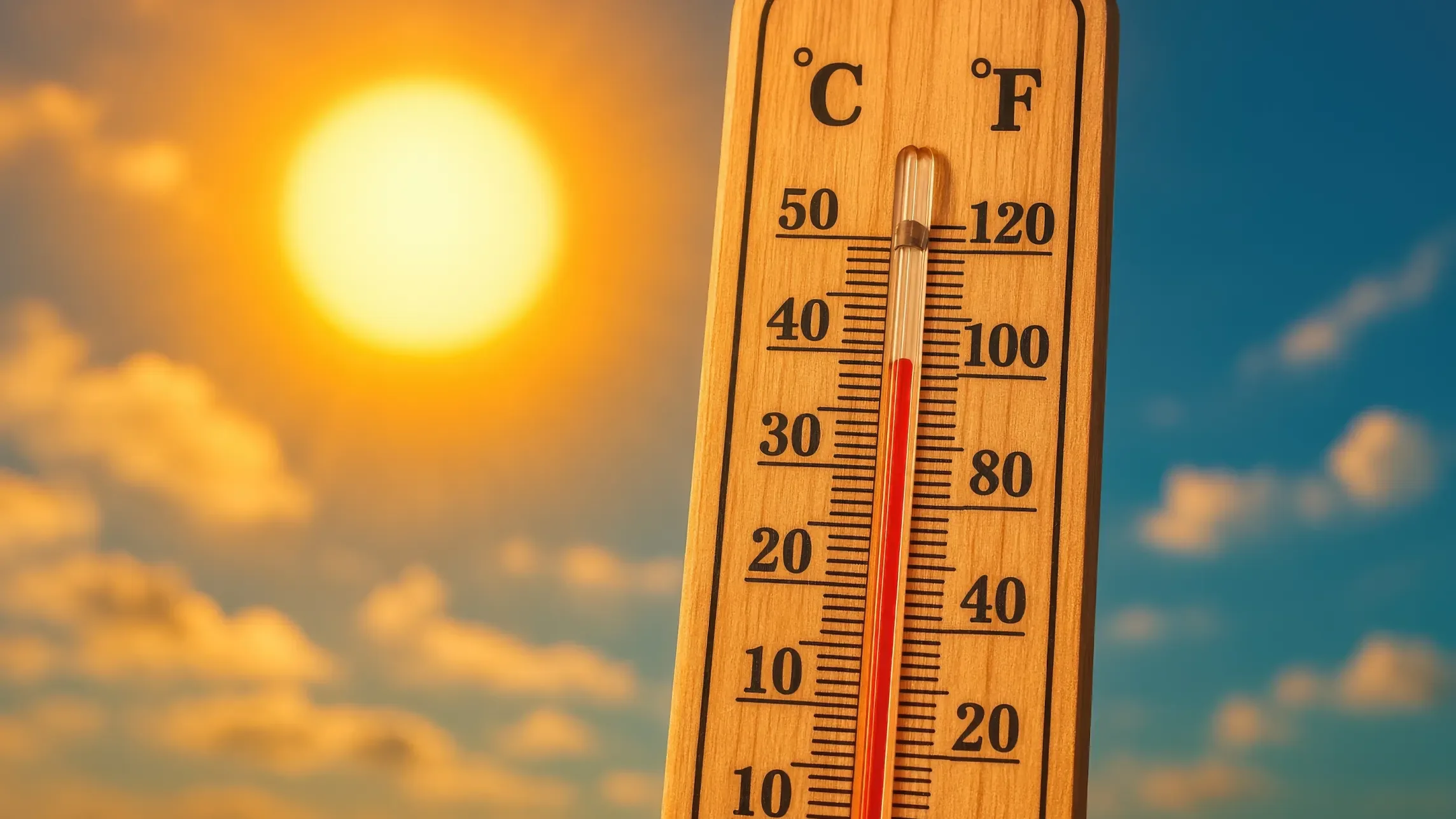
Extreme Heat - The Basics
Temperatures across the globe have been increasing, leading to more extreme weather events, higher daytime and nighttime temperatures, and more widespread and longer-lasting heat waves. Learn more about the dangers posed by rising temperatures and extreme heat in this article, the first in our upcoming series on extreme heat.
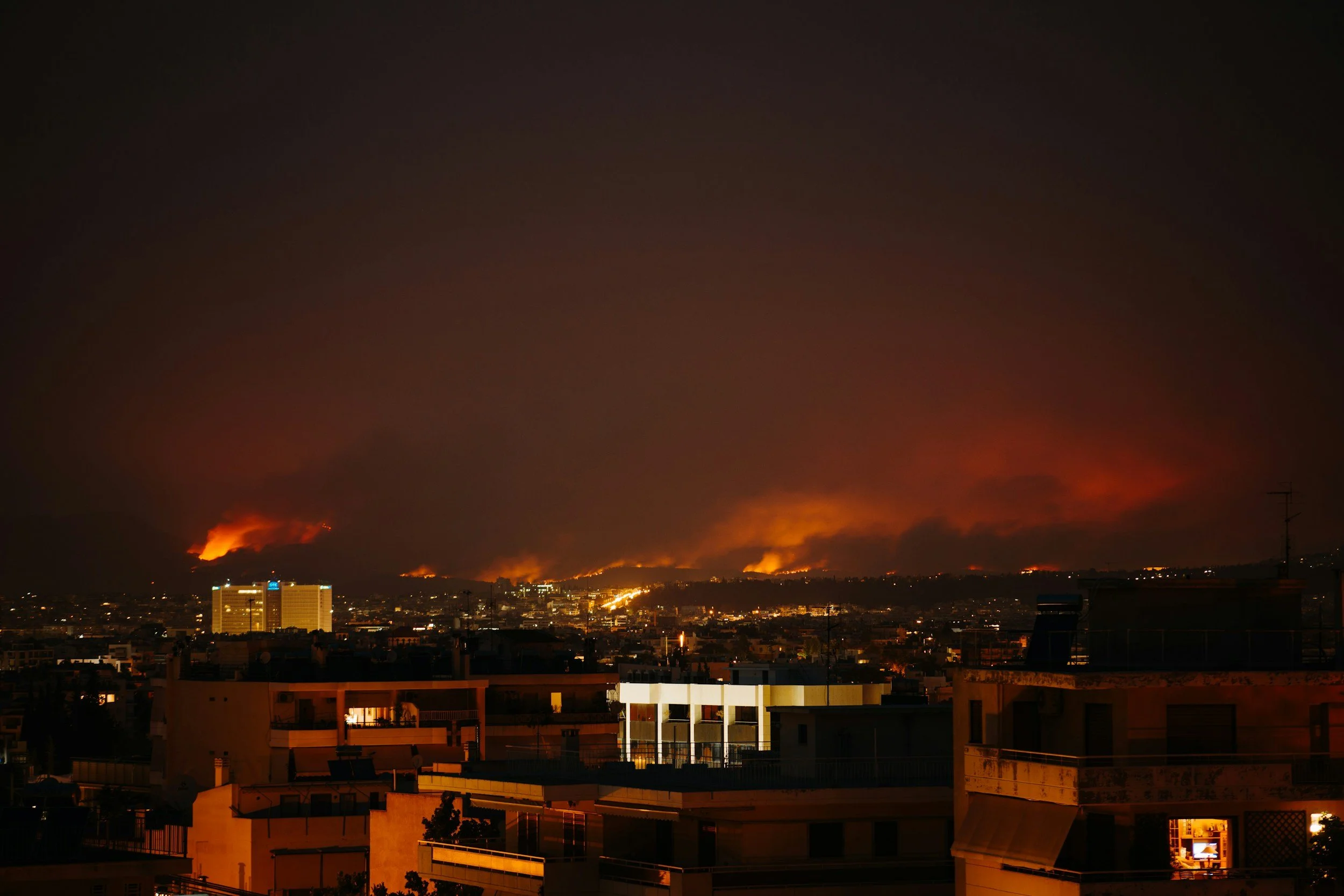
Development & Disaster: Wildfire Mitigation & Land Use Planning
As hotter and drier weather from climate change increases the risk of wildfires and urban sprawl exposes more communities to potential fire disasters, all citizens should know the risks and understand the simple actions they can take to make themselves and their neighbors less vulnerable to wildfires.
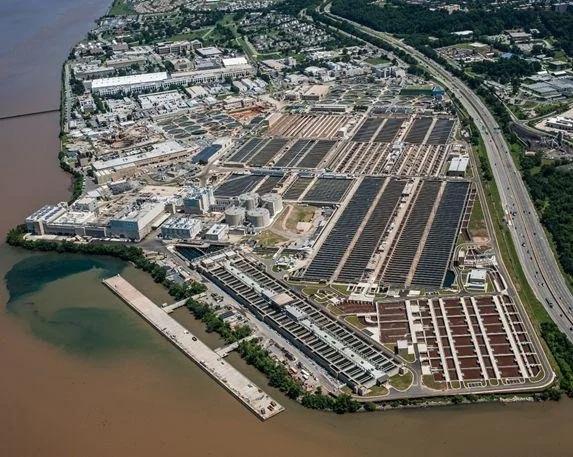
Development & Disaster: Toxic Coastlines and Sea Level Rise
By 2100, sea level rise is likely to threaten thousands of hazardous facilities along America’s coastlines. 80% of these facilities are concentrated in just 7 states. Choosing to ignore this could potentially endanger millions of people unless we choose to do something about it.
Categories of Work in FEMA’s Public Assistance Program
When administering Public Assistance program grants, FEMA separates the work into two “types”: Emergency Work and Permanent Work. Within those two “types” of work, there are seven discrete “categories” of work. Learn more about FEMA’s Categories of Work and how projects are classified in the PA program.
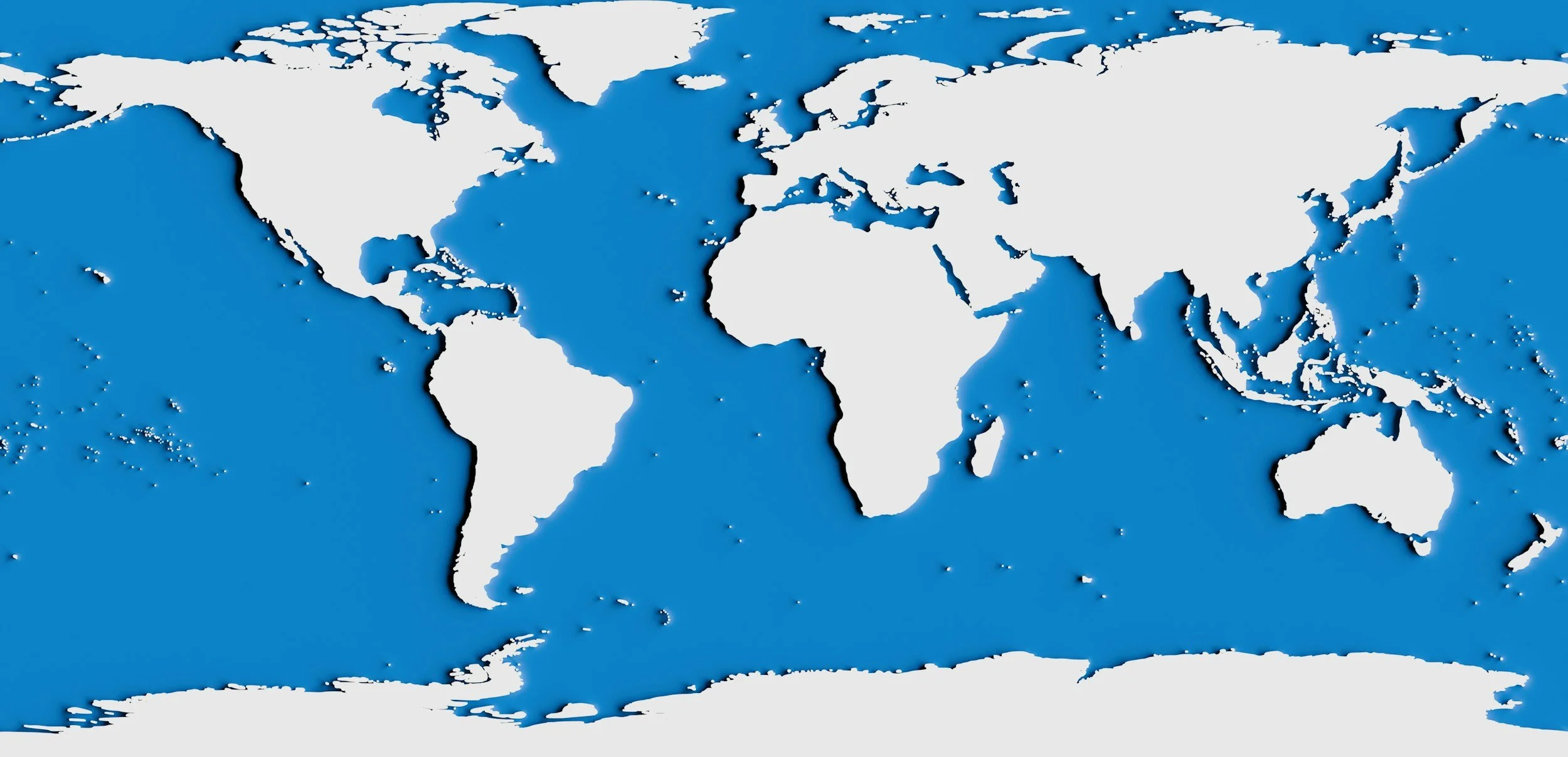
Emergency Management Practices Around the World
How do other countries approach emergency management? Learn about the disaster recovery and risk management strategies employed by Switzerland, Japan, Ecuador, and Indonesia and how they can inform the evolution of emergency management in the US.
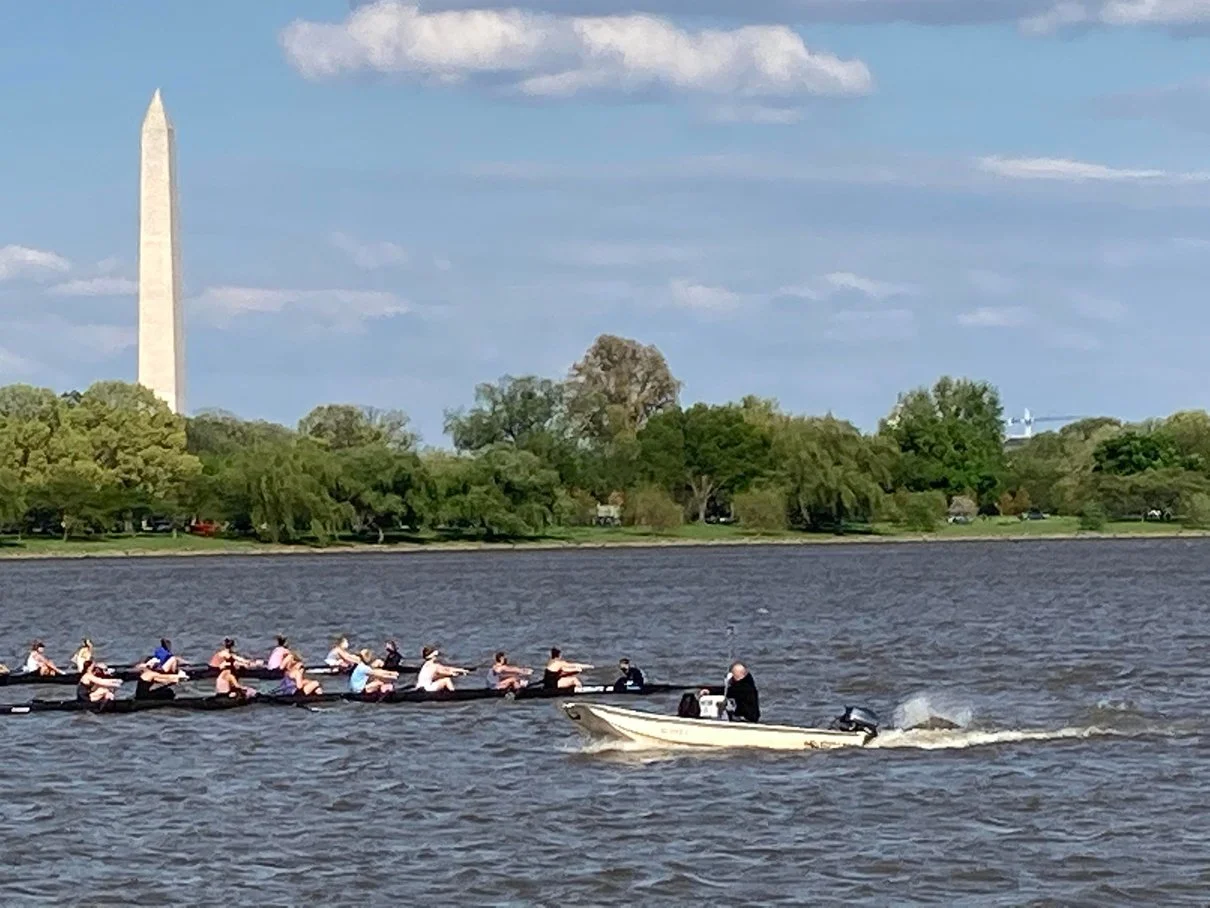
Advocacy Letter: Protecting Southern Maryland Fisheries Following the Potomac Interceptor Spill
On January 19, 2026, a collapse in the Potomac Interceptor sewer line caused more than 250 million gallons of untreated wastewater to pour directly into the Potomac River. While the direct flow into the Potomac has been diverted and the Potomac River Interceptor is being repaired, more can be done to improve water quality within the river and protect Southern Maryland’s critical fisheries.
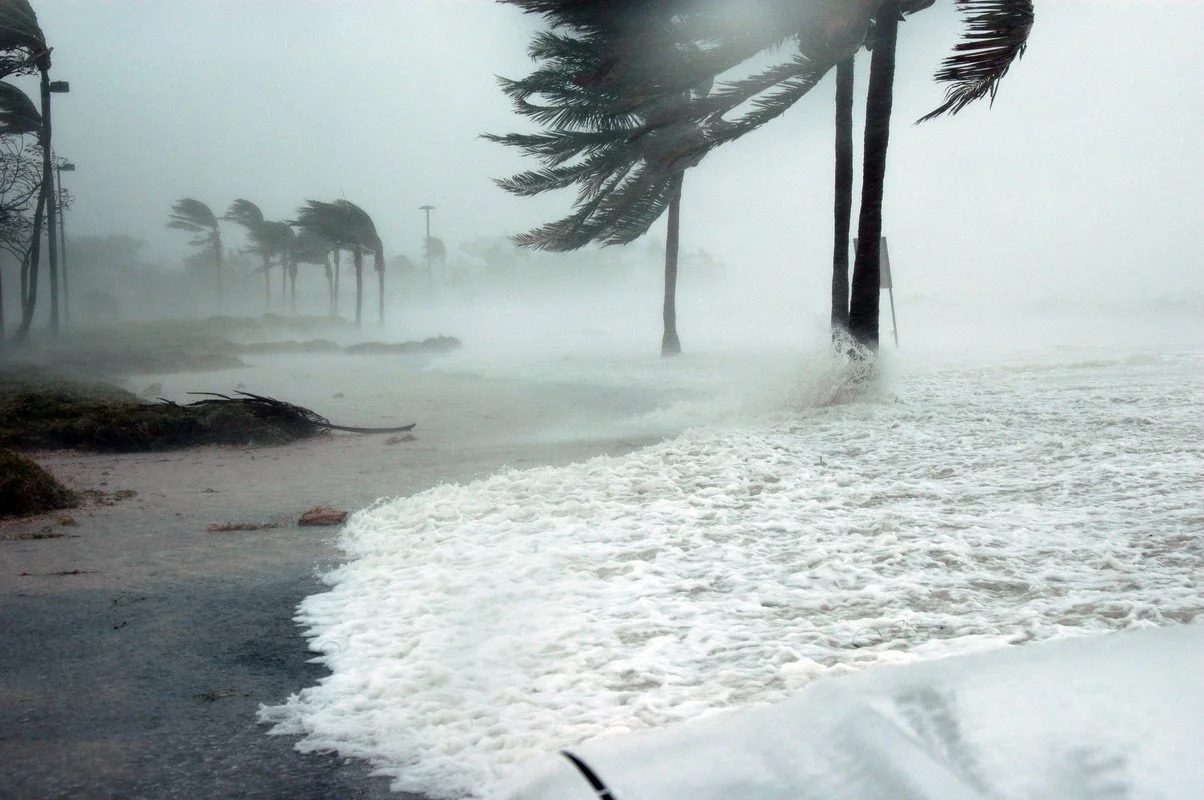
How States Can Take Control of Disaster Funding in 2026
If the federal government follows through with its promise to significantly reduce the scope of FEMA or eliminate it altogether, state emergency management agencies will need to come up with a new playbook to handle largescale disasters. Who will pay for it and how?
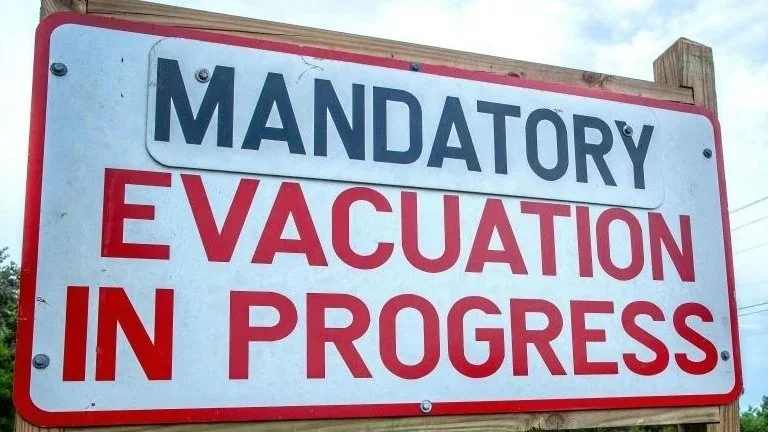
Using Technology to Improve Emergency Evacuations
Evacuating large numbers of people is not easy. A lot can go wrong, from poorly timed evacuation orders to congested roads to gas shortages. And residents who are elderly, disabled, or without access to their own vehicle may find it difficult to evacuate at all. A new study investigates how autonomous vehicle technology might be used to improve emergency evacuations.
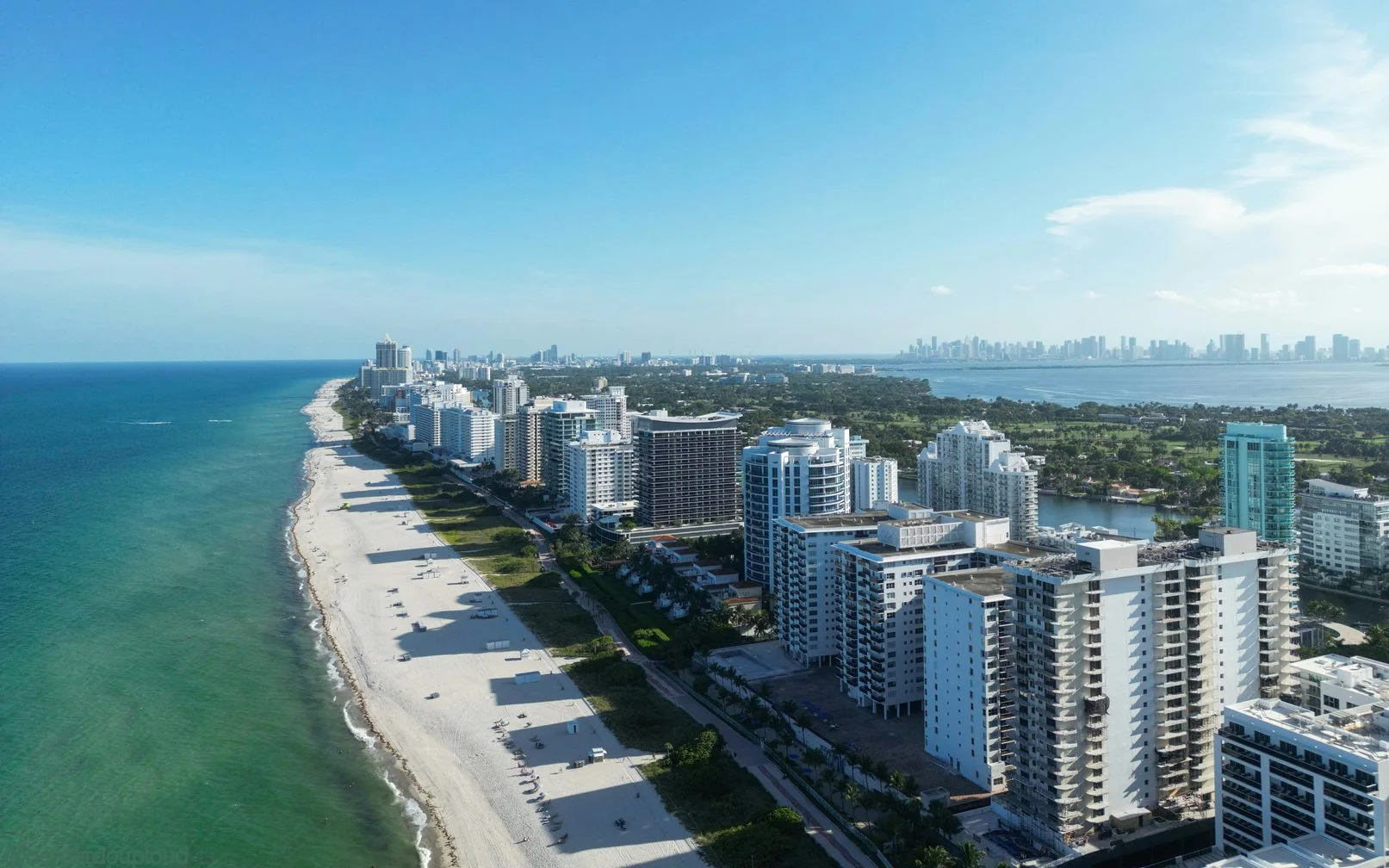
Development & Disaster: Coastal Management
Learn about the nature-based, engineering-oriented, and policy-focused strategies used to protect coastal areas from disasters like flooding, storm surges, erosion, tsunamis, and more.
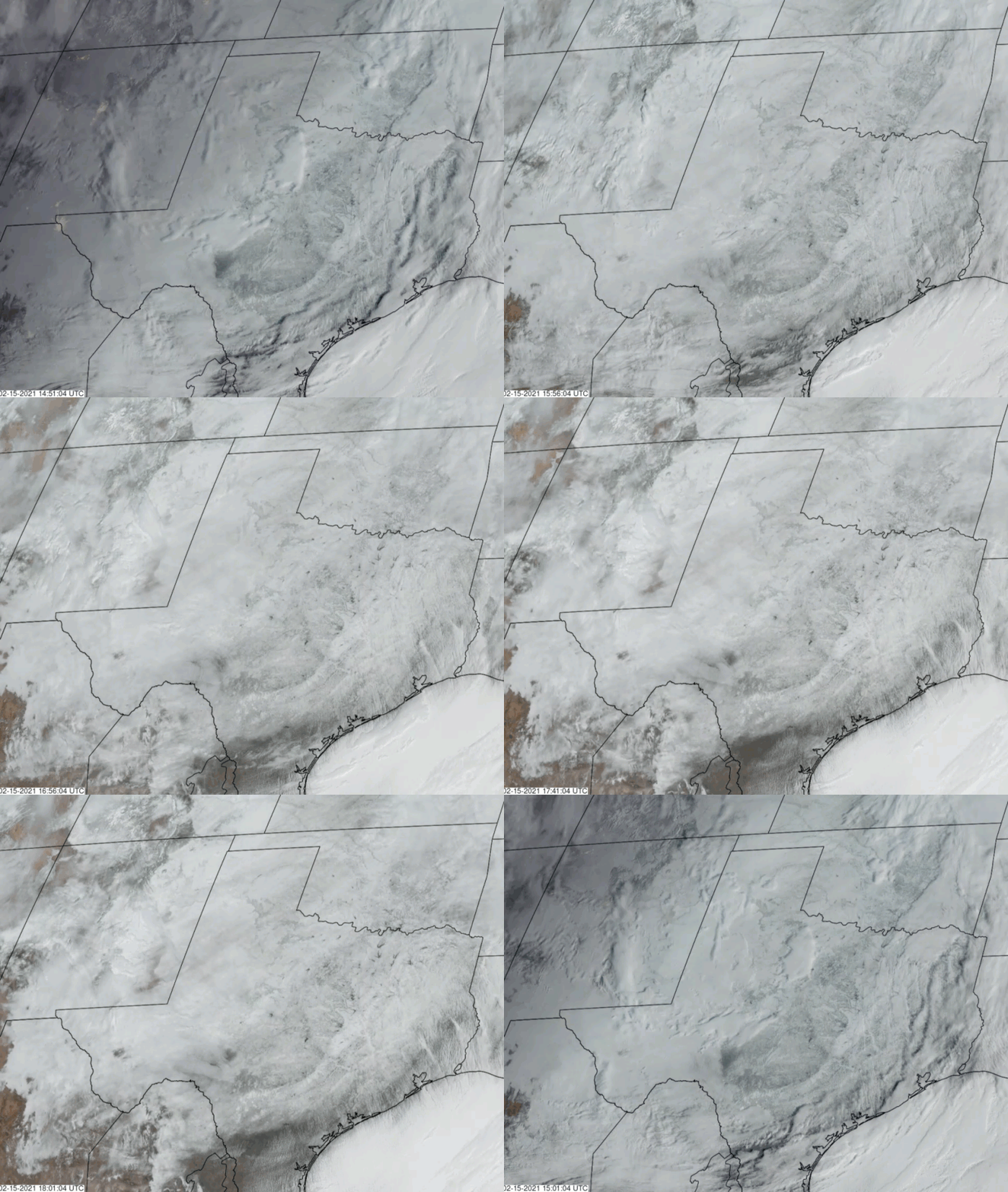
Winter Weather & Mental Health
While snow is often either a lovely wintertime distraction or a manageable nuisance, research reveals that it can also be the source of anxiety, depression, and stress, especially if the power goes out, the temperatures are below freezing, and the roads are impassable for extended periods of time.

Remembering Kai Erikson
Remembering Kai Erikson, sociologist and pioneer of disaster studies, who passed away on November 10, 2025. For nearly fifty years, Erikson was an omnipresent force in the aftermath of disasters.