Emergency Management Practices Around the World
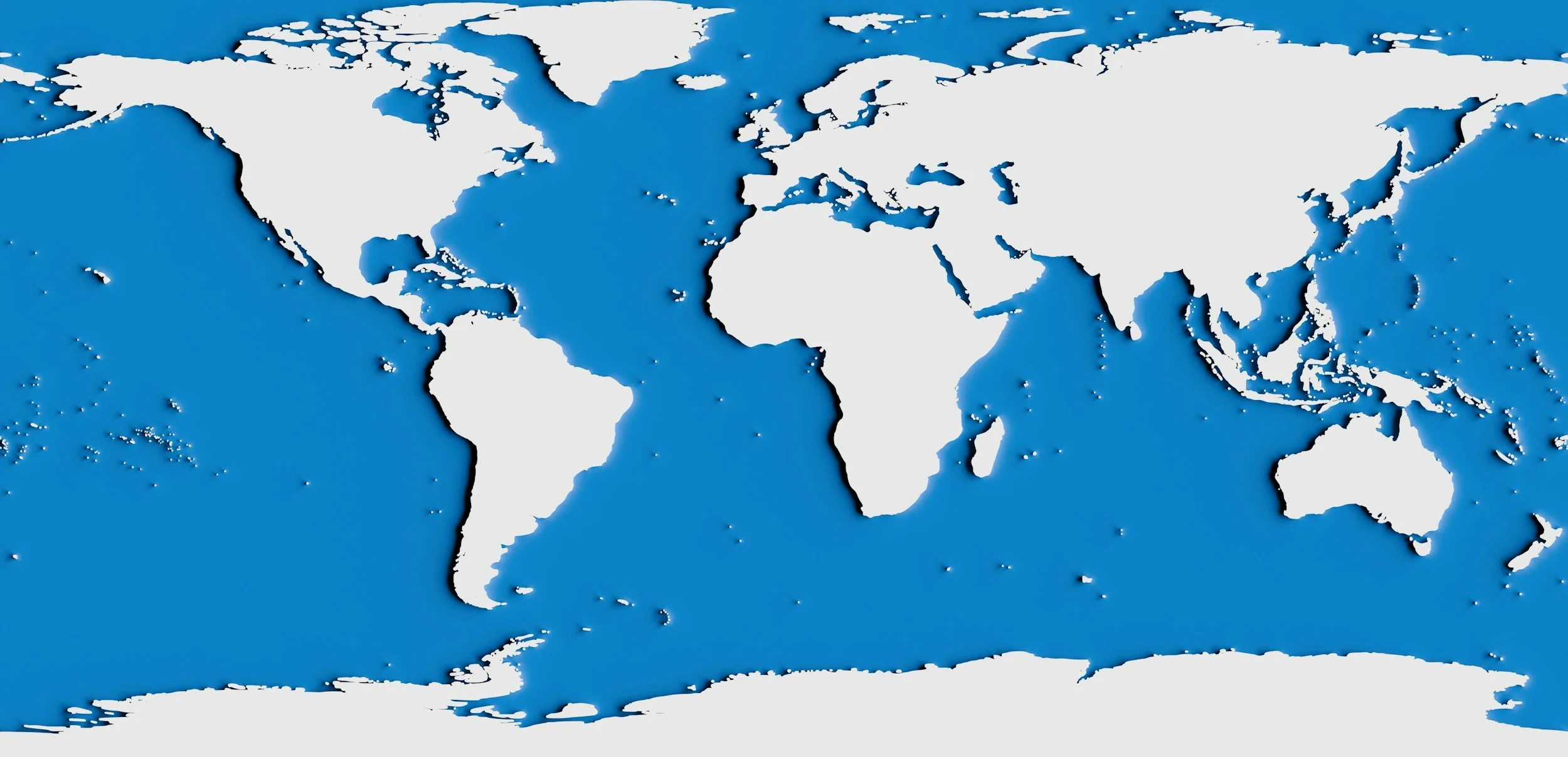
World map
For decades, the US has been at the forefront of emergency management, hazard mitigation, and disaster response/recovery efforts. However, the tiered system used by the US – with local emergency managers and first responders on the frontlines supported by state and federal agencies – is not the only strategy.
Many countries around the world offer different approaches to emergency management. Some place more emphasis on risk reduction; others focus on community engagement and preparation. Certain developing nations must prioritize financial planning to ensure an unexpected catastrophe doesn’t drain its budgetary resources. For countries that are especially vulnerable to climate change or other threats, the aftermath of a disaster can be a proving ground for innovative approaches to construction and community development. No matter the scenario or location, the US can learn from these different strategies to maximize our effectiveness and keep our citizens safe.

Swiss village with the Alps in the background
Switzerland – Risk Reduction
In some ways, emergency management in Switzerland is organized like the US. The National Emergency Operations Centre (NEOC) occupies a role similar to FEMA’s own National Response Coordination Center and operates with a similar regional and local structure. Where Switzerland stands apart is in its focus on disaster risk reduction.
Using integrated risk management, Switzerland has applied a systematic approach to identify, assess, and prioritize potential risks before developing mitigation and response strategies with multi-stakeholder committees. This collaborative approach involves experts, decision makers, and community members who reach consensus on an acceptable risk level and recommend risk reduction measures approved by the community. Key contributors and federal partners include:
The National Platform for Natural Hazards (PLANAT) – An extra-parliamentary commission that develops Switzerland’s strategy for dealing with risks from natural hazards.
The Steering Committee on Intervention in Natural Hazards (LAINAT) and the Joint Information Platform for Natural Hazards (GIN) – LAINAT is composed of seven federal offices and is responsible for hazard preparation and warning. GIN manages natural hazard data in Switzerland, which is used for forecasting and real-time alerts/notifications.
The National Centre for Climate Services (NCCS) – Established in 2015, the NCCS provides coordination and information to drive innovation and support sensible decision-making related to climate change.

View of Mount Fuji
Japan – Public Education
Japan’s location in the Ring of Fire makes it vulnerable to several different kinds of natural disasters, and the country has experienced more than its fair share of catastrophes. For this reason, they have much to teach the rest of the world.
One unique element of Japan’s methodology is their bottom-up approach to disaster preparedness, which includes informational materials, specialized disaster apps, and annual training drills. Emergency preparedness is even included in Japanese curriculum, where schools instruct students on how to prepare for earthquakes, tsunamis, and floods.
Japan has also invested in social infrastructure. Throughout the country, there are places to build community ties like children’s halls, civic centers, and senior facilities. In the aftermath of disasters, these places help organize the communities’ response and provide essential support to individuals picking up the pieces of their lives.
Despite experiencing several major disasters over the past few decades, Japan has kept citizens prepared through a relentless focus on improvement. In response to every earthquake, Japanese architects and engineers identify areas of weakness and find ways to strengthen buildings for the future. The Japanese government has also recognized its need for help and partnered with non-governmental organizations (NGOs) during the disaster planning process.

Town in Ecuador with rolling hills in the background
Ecuador – Financing & Disaster Risk Management
Investing in hazard mitigation and disaster recovery can be difficult even for the most prosperous nations. For Ecuador, the 63rd ranked economy according to gross domestic product (GDP), that difficulty has been exacerbated by the economic impacts of several disasters over the previous decade. Beginning with a 2016 earthquake, followed by the COVID-19 pandemic that reduced GDP by 6%, and culminating in the worst drought in 60 years that caused $7.5 billion in industrial losses, Ecuador found itself in dire need of assistance.
In response, the government of Ecuador passed its first disaster risk management (DRM) law and began implementing related regulations in 2024, formalizing DRM policies at multiple levels of government to improve coordination and institutional capacity. In tandem with that DRM legislation, Ecuador worked with the World Bank to obtain $200 million in DRM development policy financing with a Catastrophe Deferred Drawdown Option (Cat-DDO) in late 2025.
Ecuador’s Cat-DDO (the first in the nation’s history) represents a key financial tool to reinforce its multilayer disaster risk financing system. Securing this Cat-DDO provides essential contingent credit Ecuador can access in the event of a disaster to supplement its own budget resources and underpin its risk-transfer tools (including insurance and catastrophe bonds), which are still in development.
Ecuador demonstrates the power of collective action and institutional reform. Rather than continuing to rely on emergency loans or being forced to reallocate vital budgetary resources following a disaster, Ecuador is taking control of its disaster financing by planning ahead, focusing on risk management, and taking the steps necessary to foster a more resilient society.

View of the Indonesian coastline and town
Indonesia – Whole Community Participation
Indonesia was devastated by the Sumatra-Andaman earthquake on December 26, 2004, and the tsunami that followed. One-third of the City of Banda Aceh was utterly destroyed, and nearly 90,000 people perished. From the ruins of that catastrophe, Indonesia developed a master plan to rebuild.
At the time of the earthquake and tsunami, the Republic of Indonesia was battling the Free Aceh Movement, and this conflict initially delayed disaster response. However, a cease fire was soon announced, which led to greater reconciliation and community coordination. The national development planning agency published the Master Plan for Rehabilitation and Reconstruction of Aceh and Nias, which laid out the recovery plan and related policies to rebuild the community essentially from scratch.
Baked into that recovery plan was a focus on community-driven development (CDD) projects, a novel idea at the time similar to HUD’s Community Development Block Grant programs, which led to the establishment of Indonesia’s Multi-Donor Trust Fund and the Reconstruction and Rehabilitation Agency (Badan Rehabilitasi dan Rekonstruksi (BRR)) to plan and coordinate those projects.
The BRR led the rebuilding process over the next four years, resulting in the construction of 140,304 homes, 1,759 schools, 1,115 health facilities, 23 ports, and 13 airports. More importantly, Aceh is now stronger, safer, and more prosperous than it was before the disaster. Initially formed as an experiment, the BRR was so successful that Indonesia recreated the program following the Java earthquake of 2006 and established the National Disaster Management Agency (Badan Nasional Penanggulangan Bencana (BNPB)) in 2008 to formalize its disaster management processes and promote a new emphasis on risk reduction in addition to emergency response.
World map with both hemispheres separated
The ways in which governments around the world support their people vary according to culture, capability, and capacity. While some more prosperous nations can afford to invest in major infrastructure projects or the latest technology for emergency management efforts, other countries have to take a different approach. As the US determines the next evolution of disaster recovery here in America, it will be important to consider what has worked elsewhere around the world.