
Emergency Preparedness Essentials for Families & Individuals
Emergencies can take many forms, and residents of certain areas may be more vulnerable than others. However, regardless of the specific type of emergency or disaster, the two most important steps to take are developing a plan and creating an emergency kit. Learn how to do both to keep your family safe.
Extreme Heat – Building Differently: Special Edition
In this special edition of our Extreme Heat – Building Differently series, we are taking a break from the usual to spotlight an exciting new Cool Building initiative recently launched in Washington, D.C.
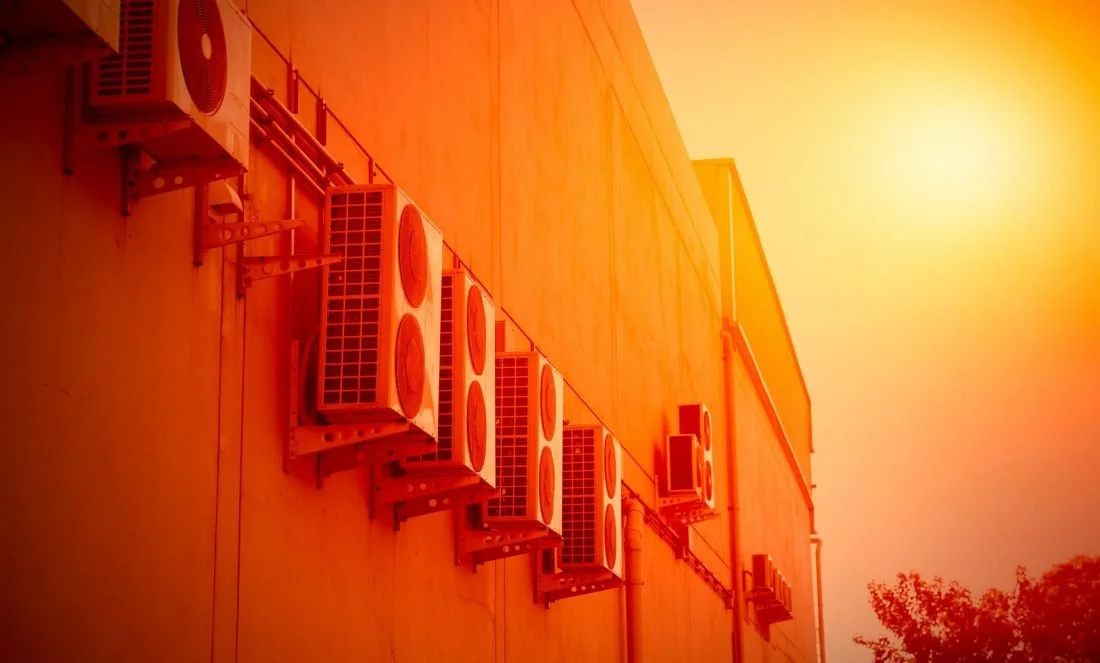
Extreme Heat - Building Differently Part 2: Lessons Across Time and Place
Rising global temperatures are leading to a significant increase in the use of air conditioning around the world. Although air conditioning is effective, it cannot be the only solution we have to deal with our warming planet. In Part 2 of our series Extreme Heat – Building Differently, we discuss the lessons learned across place and time and examine some of the passive cooling techniques upon which our ancestors relied to stay cool before air conditioning.
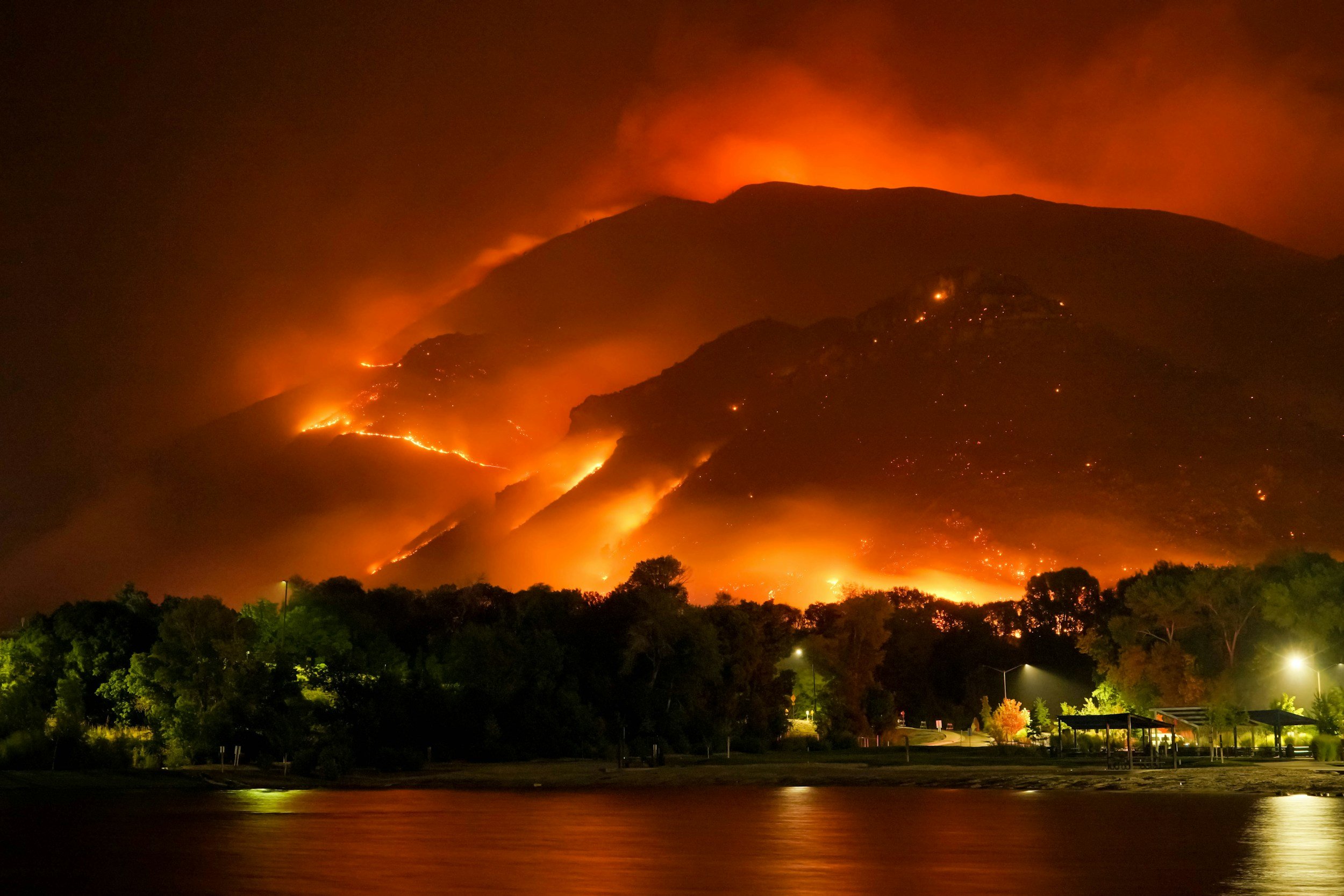
Wildfire Safety
For residents of communities in wildfire prone areas, knowledge of wildfire safety is essential. While it is difficult to predict exactly where or when a fire will start and how quickly or how far it will spread, you can prepare yourself and your family by learning what to do before, during, and after a wildfire event.
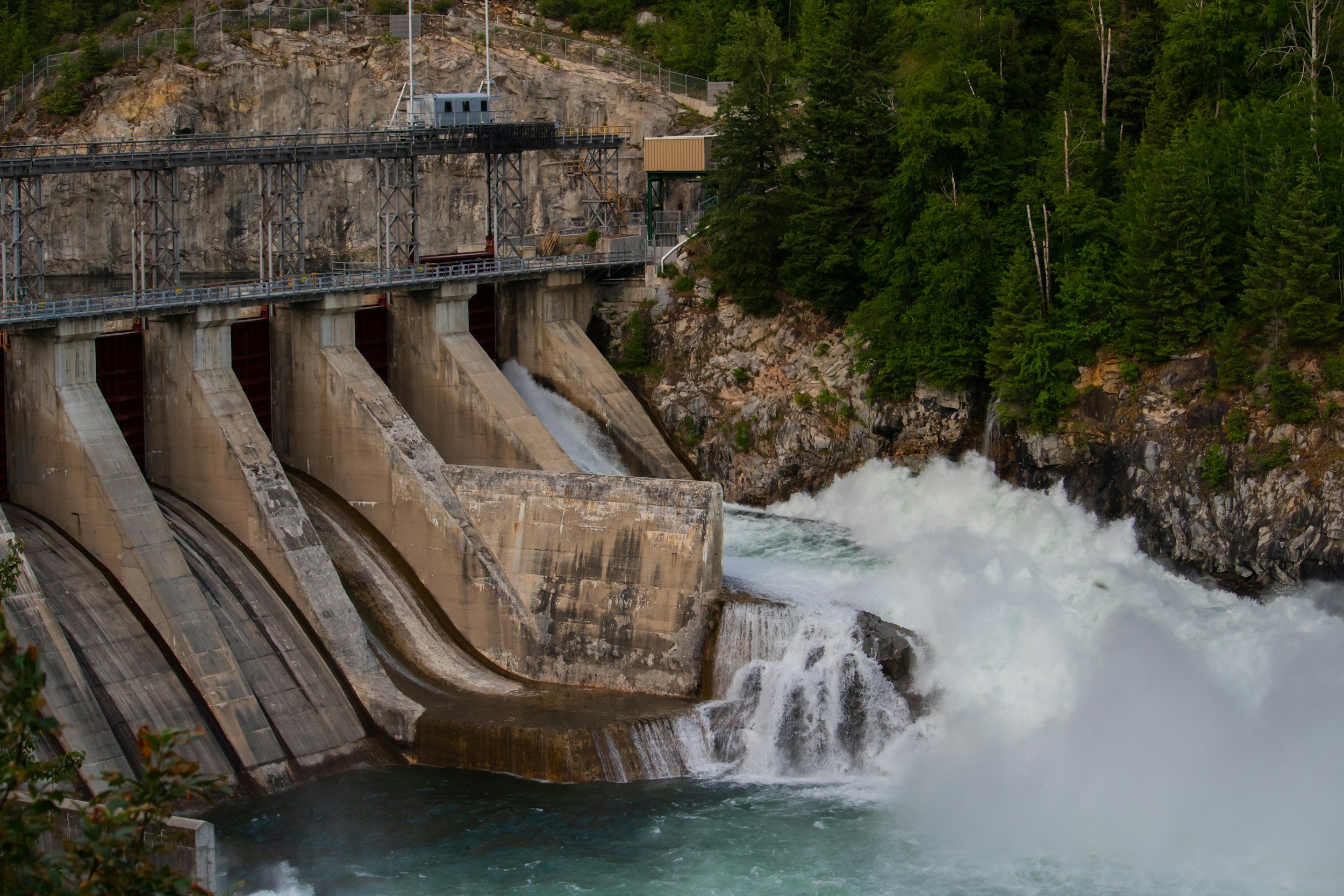
Flood Prevention – How Spillways Help Control Water Flow
An often-overlooked engineering marvel, spillways perform a vital role in flood control and are enormously important to the safety of the communities and citizens located downstream from a dam.

Extreme Heat - Building Differently Part 1: Cool & Green
Our building choices affect urban warming, but they also impact how we experience the heat. Learn how cool and green building options may be used to help lower urban temperatures and increase our ability to cope with, adapt to, and survive extreme heat events.
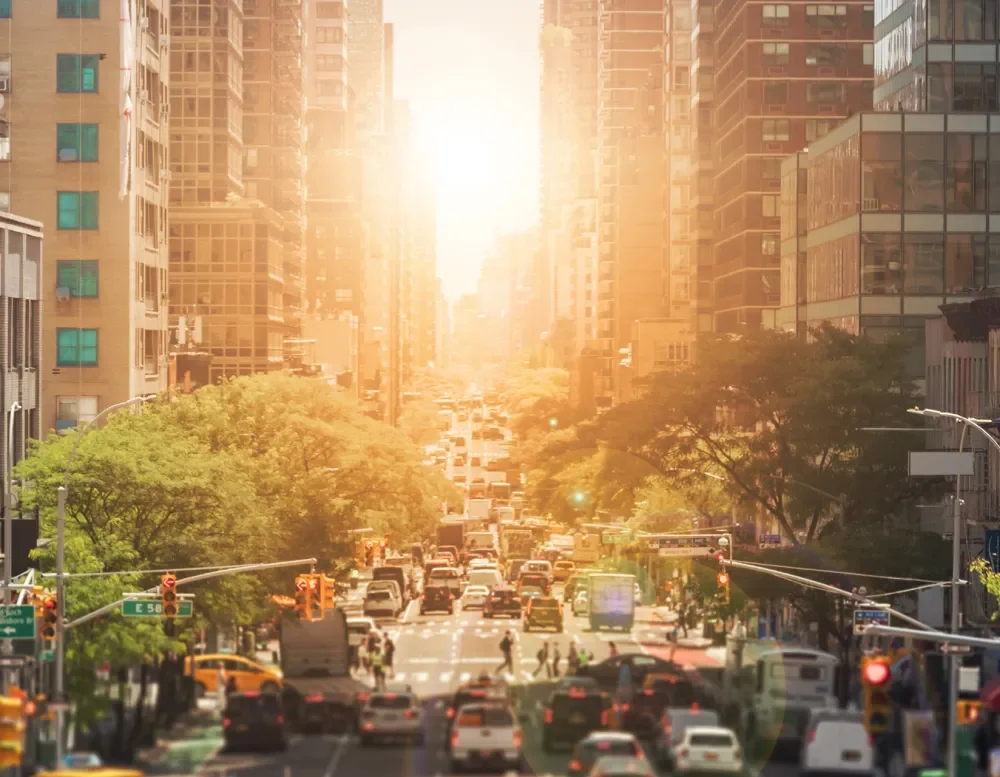
Extreme Heat & The Built Environment
Around the world, cities are significantly warmer than neighboring rural and suburban areas. The main driver for these higher temperatures is the built environment. Learn more about how our building and developmental choices impact our city temperatures and contribute to the Urban Heat Island (UHI) effect.
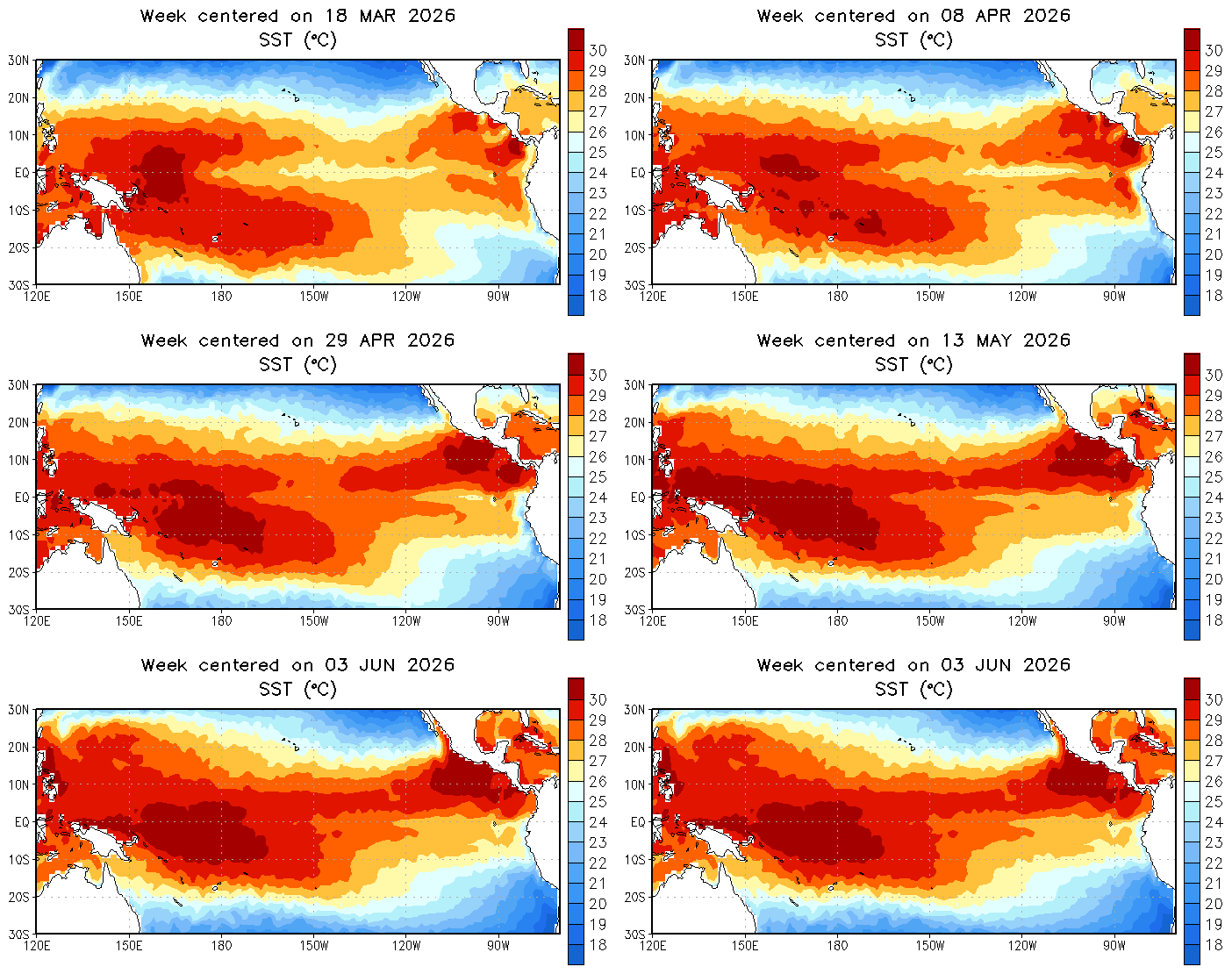
El Niño & Its Effect on US Weather
As El Niño returns in 2026, it’s important to understand this phenomenon, including how it occurs, its influence on weather throughout the United States, and the specific regions it affects most.
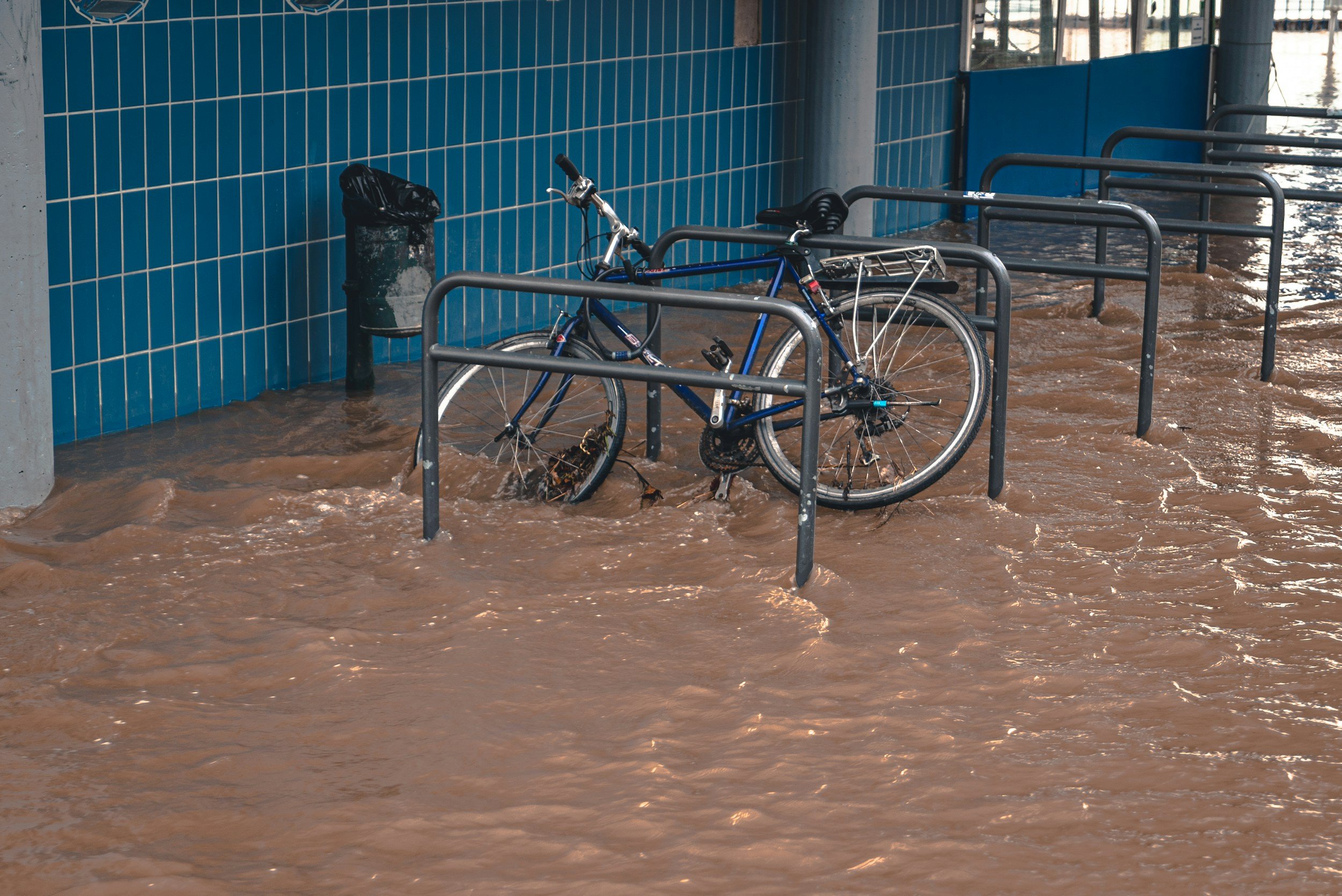
Types of Flooding
Nearly every corner of the US is susceptible to some type of flooding. As climate change continues to intensify, sea levels rise, and weather events get more extreme, flooding is expected to increase, so it’s important to know the difference between the three primary types of flooding: fluvial, pluvial, and coastal.
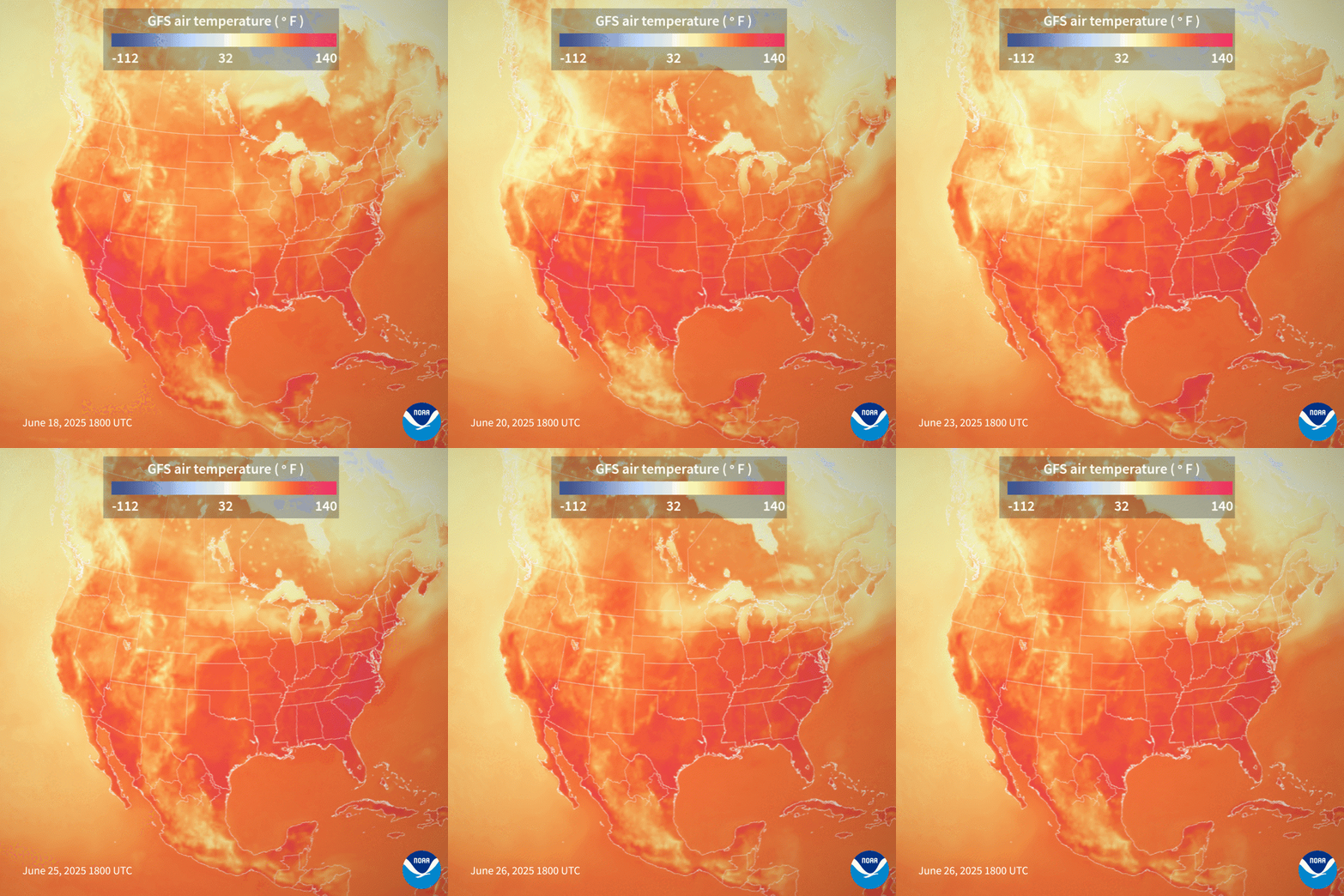
Extreme Heat & Mental Health
Hot temperatures tend to make people cranky, but heat’s impact on our mental health goes much deeper than that. In this, the 3rd article from our Extreme Heat series, we delve into the impact of extreme heat on our mental health, including how preexisting mental illness, substance use disorder, and certain medications contribute to risk, and compound the impacts. Image credit: NOAA
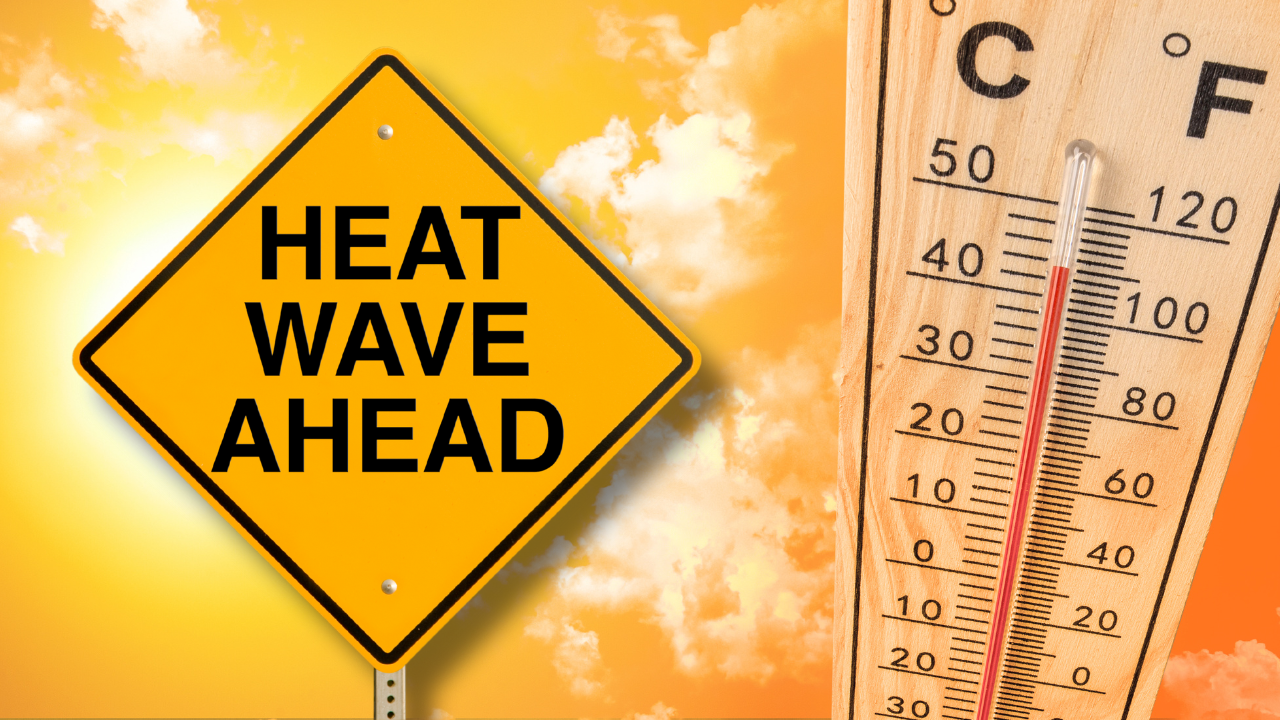
Extreme Heat & Physical Health
Extreme heat is the number one cause of weather-related deaths in the United States - yet most of the time, heat-related illnesses and deaths can be prevented. Learn why the heat is so dangerous, who is most vulnerable to heat-related illnesses, and what you can do to keep yourself and others safe in extreme heat.
Image Credit: KTNV
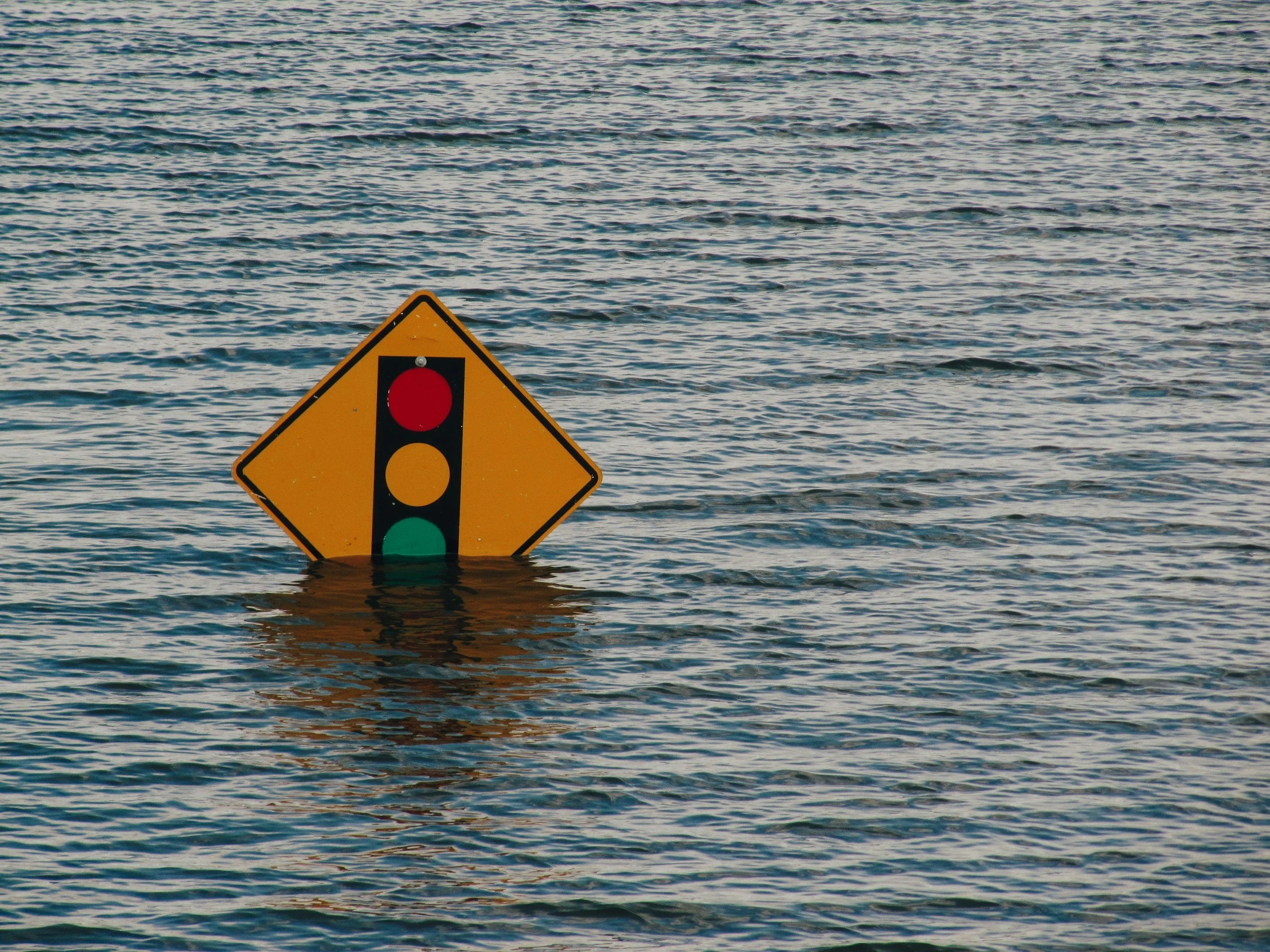
Demystifying 100-Year & 500-Year Floods
100-year and 500-year floods have become more prevalent over the past few decades. Learn what these terms mean and find out how to keep your loved ones safe during a major flooding event.