Development and Disaster: Rural Places
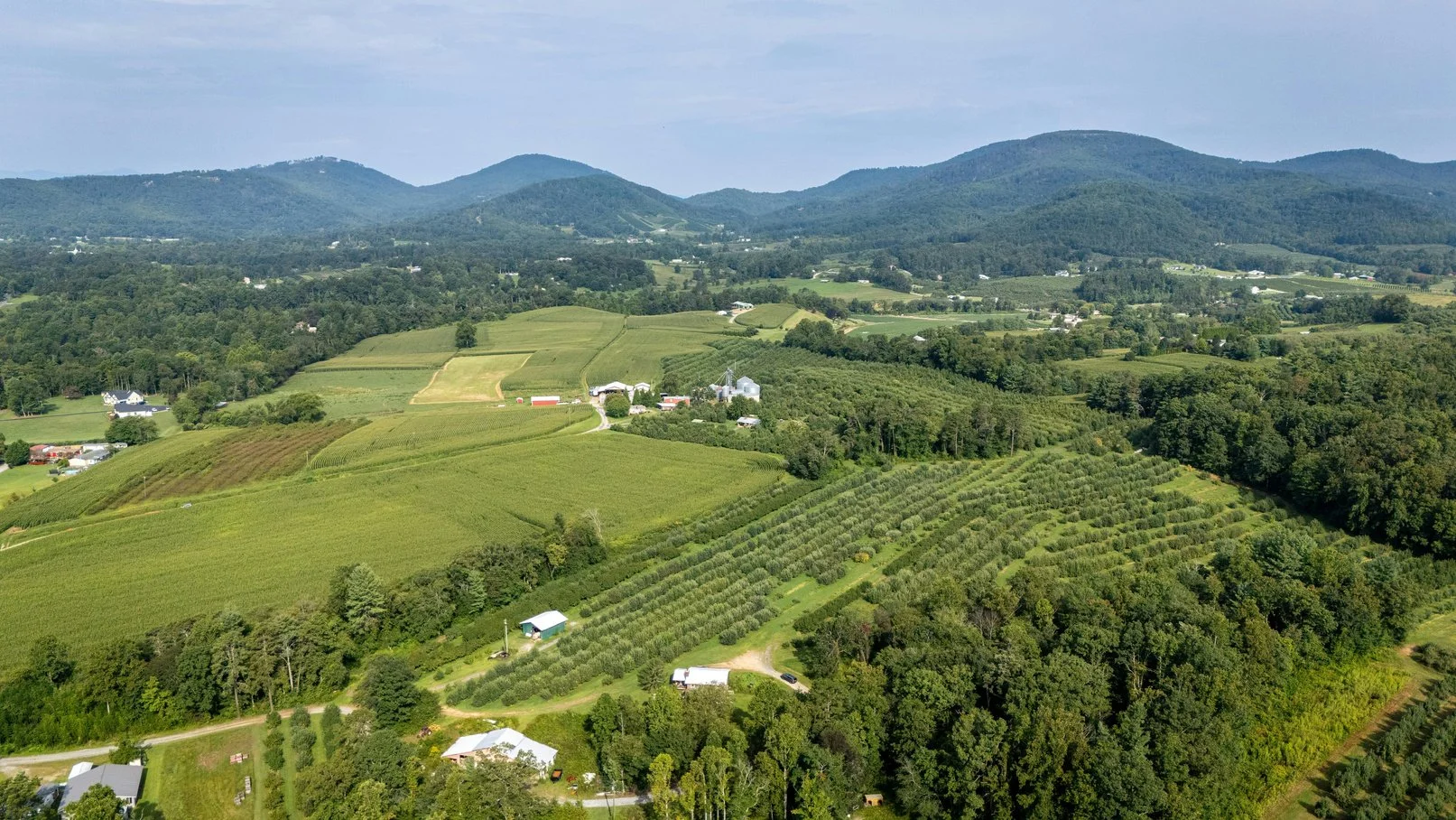
Aerial view of North Carolina farmland
As weather events become increasingly more destructive and costly, understanding the relationship between development and disaster can help make smart building decisions, minimizing the risks, and subsequent costs, of future disasters. This article is the third in our series, Development and Disaster, where we examine the impact of land use and development on how we, as a society, experience disasters.
According to the 2020 Census, approximately 20% of US citizens (more than 66 million people) live in rural areas. Although there is a generally accepted definition of urban areas (densely settled areas with a mix of residential and commercial buildings), the Census Bureau defines rural areas as “everything else.” However, “everything else” makes up approximately 97% of the US land, which makes it statistically more likely to be hit by disasters like hurricanes, blizzards, tornadoes, wildfires, earthquakes, and flooding.
With 80% of the population concentrated in 3% of the geographic area, disasters in urban areas have the potential to be far more costly and deadly, and therefore receive more attention. Because of this, the position of emergency manager can look very different in a rural area vs. an urban area. While the rural population is much lower, the distribution of people across a greater expanse can pose its own challenges. Combine that with less resources, and emergency managers in rural areas can quickly find themselves overwhelmed when disaster strikes.
Geography
While many individuals are drawn to a rural area’s wide-open spaces, it is these expanses that can cause difficulty for responders. In an emergency situation, travel can become a strain on resources, with citizens spread out by many miles, larger distances between emergency services, and a more widely distributed group of responders.
In addition to greater travel times, longer distances and remote locations can make communication and coordination more difficult. Depending on the topography, members of rural communities can also find themselves cut off completely due to destroyed roads and a lack of alternative routes. When key travel routes become impassable, carefully written emergency plans can be thrown into turmoil, with locations for staging areas, shelters, and/or debris management suddenly inaccessible or isolated.
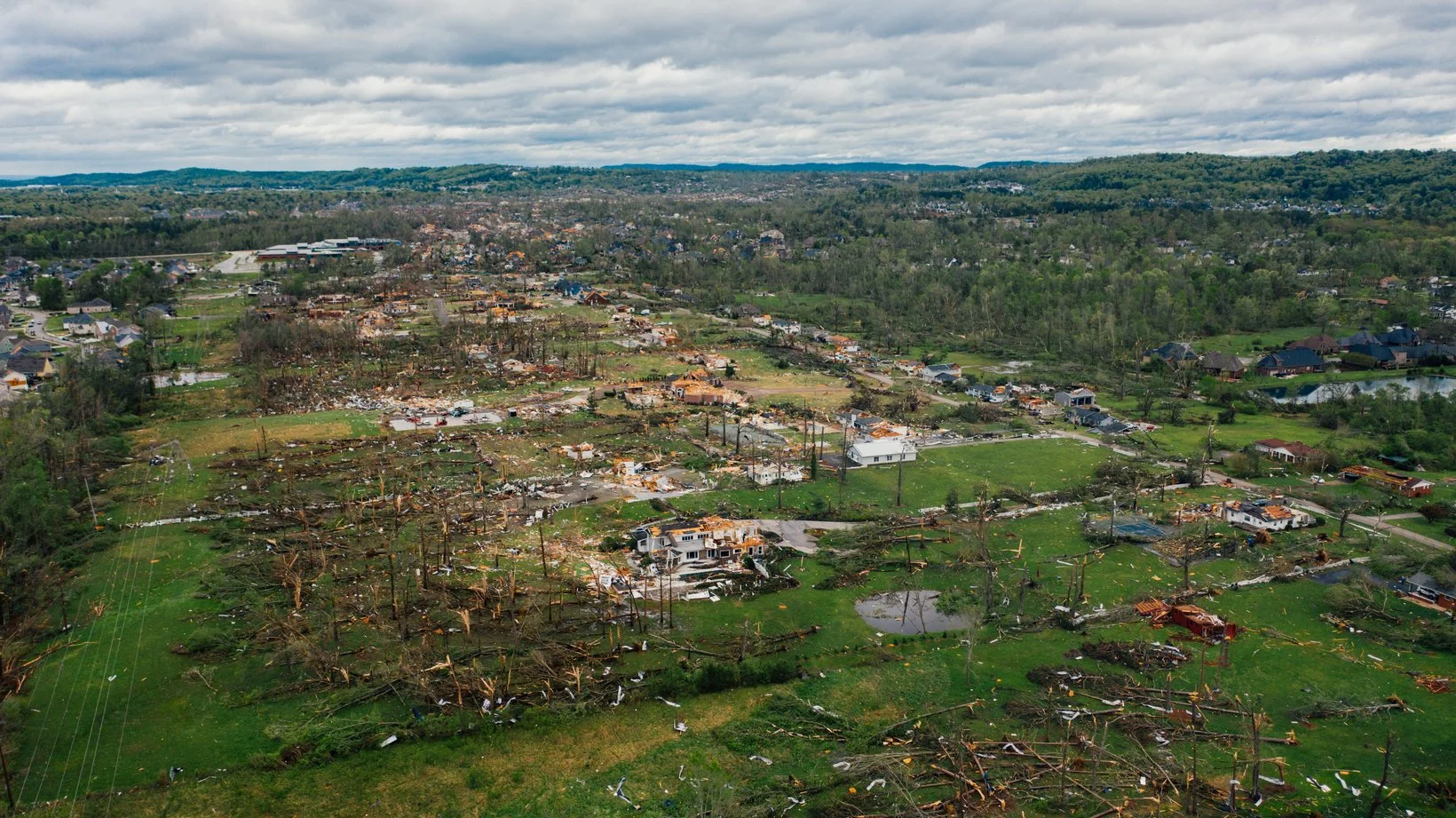
Aerial view showing the destructive aftermath of a storm in Chattanooga, Tennessee
Population
In rural areas, sparsely populated regions pose an obvious challenge during response. In addition to increased travel distances, some citizens in rural areas may live in remote locations or “off-grid,” which can make it difficult to share emergency alerts and other vital information. Further, rural areas also tend to have a higher percentage of residents who are older (17.5% of the rural population is 65 years and older compared to 13.8% in urban areas). Rural areas also have higher poverty rates (14.1% vs. 11%). The combination of an older population and increased poverty can be especially problematic during an emergency if those citizens don’t have the means or physical capability to evacuate and require rescue.
In addition to demographics, the unique culture of the area can help or hinder disaster response and recovery. Communities that are more insular may be distrustful of outsiders and turn away organizations that attempt to provide disaster relief. This was seen in the aftermath of Hurricane Helene, when rumors regarding FEMA workers led to dangerous confrontations in some towns and communities. However, that protective attitude can also be beneficial if it signifies a greater sense of community and willingness to help neighbors in need.

Volunteers helping to organize and distribute donated food
Resources
Rural locations often suffer from a lack of resources following disasters. Technology, vehicles, equipment, and personnel are all in smaller supply as compared to urban centers, which can make response and recovery more difficult. In fact, it’s not uncommon for rural emergency managers to reach out to their counterparts in nearby counties and municipalities to share resources during disasters.
By leveraging their neighborly relationships (as well as coordinating with local volunteer and non-profit organizations), rural emergency managers can make up for some of their reduced funding. However, certain types of resources simply can’t be borrowed or shared. With limited public buildings and other facilities to use as triage centers, headquarters for field operations, and/or emergency housing, rural areas can also have difficulty coordinating responders and supporting their residents.
America’s “one-size-fits-most approach” breaks down in rural places. Because grant distribution is often based on cost-benefit analysis that favors areas with larger populations, rural emergency managers often miss out on funds that could be used to enhance pre-disaster planning and hazard mitigation. This makes recovery even more difficult if/when the worst happens.
To combat this favoritism of urban areas, FEMA established the Small State and Rural Advocate to provide additional assistance and promote the fair treatment of small states and rural communities. The USDA also offers disaster assistance resources for rural emergency managers, and there are several other organizations who offer training and support for rural communities and first responders, including:
The Rural Domestic Preparedness Consortium – DHS-funded program that provides training and resources to rural first responders
The National Domestic Preparedness Consortium – DHS’s principal training partner for state, local, tribal, and territorial jurisdictions
The Rural Health Information Hub – HHS-funded information clearinghouse dedicated to providing resources on rural health issues
Emergency management in rural areas can often seem like an afterthought or an overlooked line item on a county budget – until a catastrophic event takes place. While all geographic areas have their own unique challenges, the solutions often lie in greater preparation, which requires the necessary resources and a commitment to risk analysis, planning, and mitigation.
Developing specific plans for all types of disasters, conducting regular exercises to gameplan and prepare for disaster response, and orchestrating community outreach and communication efforts are strategies that have proven effective for disaster response organizations in both urban and rural settings. Regardless of budget constraints, geographical challenges, or other limitations, US citizens deserve to be prepared for disaster no matter where they live.