November Wrap-Up
The longest federal government shutdown in US history ended after 43 days.
Also, coming to an end is the relatively-quiet 2025 Hurricane Season; which featured zero major hurricanes making landfall in the US for the first time in 10 years.
Google’s hurricane prediction model, DeepMind Weather Lab, performed “breathtakingly well” this year, despite only beginning to release track and intensity forecasts in June.
Cold and flu season has arrived, and Walgreens is tracking the hot spots.
Mt. Kilauea is erupting, again.
Hurricane Melissa's 252-mph wind gust was the highest ever recorded by a dropsonde.
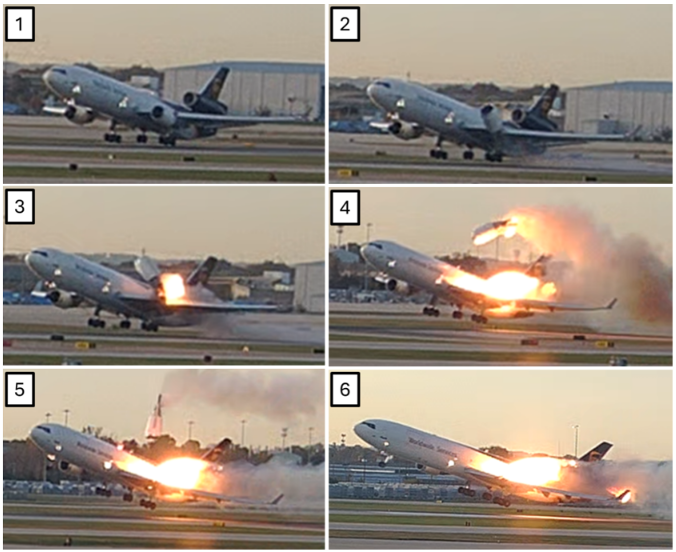
The NTSB published their preliminary report following the crash of UPS Flight 2976 which includes dramatic photos showing the left engine separating from the wing upon takeoff.
This dashcam video shows the brief moments just before the crash.
Also, NTSB investigators have identified the cause of the power failure aboard the Dali, which destroyed the Francis Scott Key Bridge. The power outage was caused by a tiny mislabeled wire, a mistake that likely occurred 10 years ago during the ship’s initial construction.
NC’s State Auditor found that the State’s Homeowner Recovery Program (HRP) suffered from overspending, poor data quality, inadequate contract management and a lack of financial monitoring (read the full report).
FEMA’s backlog and late payments following Helene have left many towns, cities, and counties in North Carolina facing budget shortfalls and deep financial strain.
The FEMA Review Council’s long-awaited initial report is complete and was quickly reduced to 20 pages. A final meeting of the council has been scheduled for December 11th.
FEMA’s previous Acting Administrator resigned and was replaced by a new Acting Administrator, raising concerns - again - that the agency will be led by another acting official without meaningful emergency management experience.
Grist covers FEMA’s terrible, horrible, no good, very bad year.
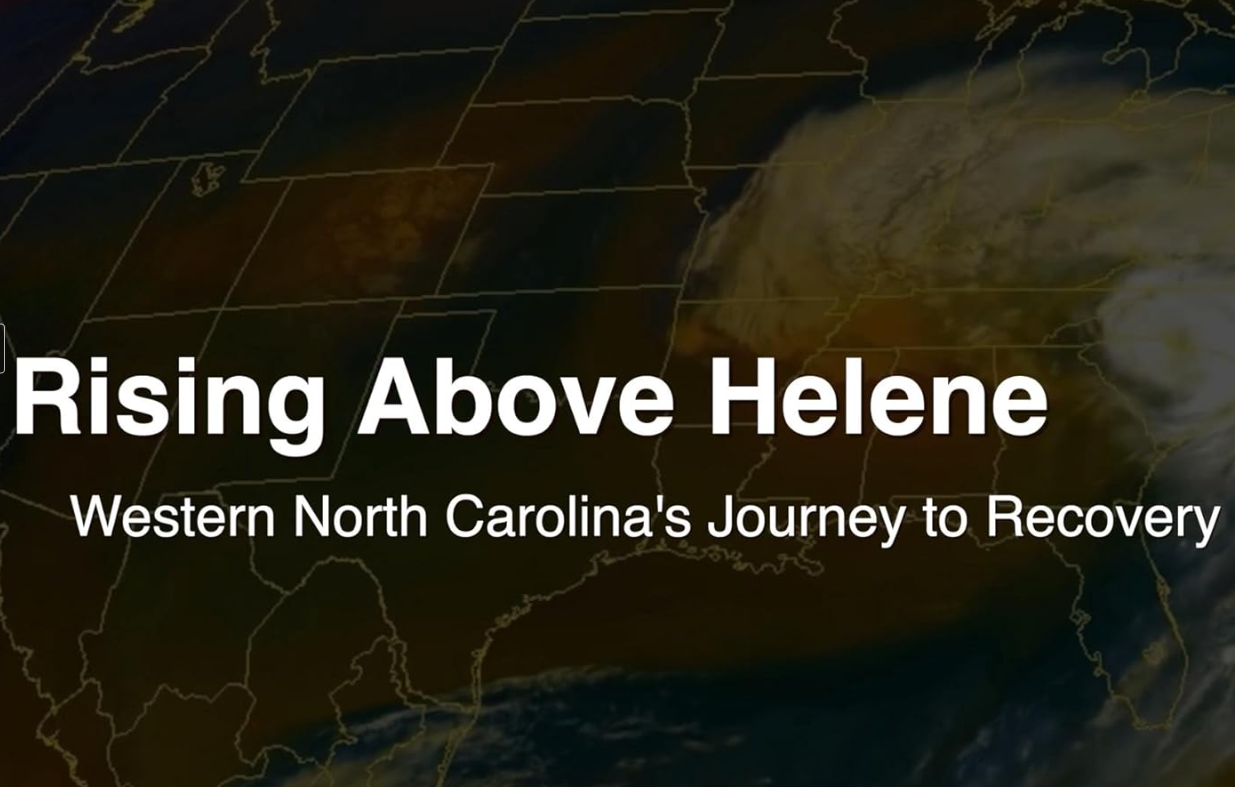
A new film, Rising Above Helene, documenting several Western North Carolina communities’ recovery from Helene is screening in theaters across North Carolina
The town of Pilot Grove, Missouri has finally opened Disaster Recovery Centers, more than seven months after being struck by an EF2 tornado.
As Alaska recovers from devastating floods, displaced residents have begun moving from group shelters into more private shelters. Alaska officials hope all residents can either return to their homes or find safe temporary housing before the winter freeze sets in. Related: Public schools in Alaska often serve as emergency shelters, but according to ProPublica, “buildings that function as safe havens in times of emergency are becoming emergencies themselves”.
20 states have filed suit against the federal government over cuts to HUD’s Permanent Supportive Housing Program, warning that the cuts will have serious negative consequences for homeless rates in America.
Many counties, cities, and regional organizations are meeting throughout the country (like this) to plan for emergency preparedness, response, and recovery in the presence of an unstable or unreliable Federal government.
The Association of State Floodplain Managers published “Local Floodplain Management Programs in Review: 2024”, focused on local floodplain management programs throughout the United States.
Wetlands restoration, floodplain expansion, and living shorelines are just three examples of several nature-based solutions highlighted at a meeting of the State Resilience Planning Group in Athens, GA.
Residents living near the privately-owned Carter Lake Dam in Camden, Texas were urged to evacuate on November 11th when an 8-inch hole was discovered in the dam.
The Boston City Council passed a resolution encouraging the City to obtain certification from FEMA’s Community Rating System, opening the door for National Flood Insurance Program coverage and lower citywide insurance premiums.
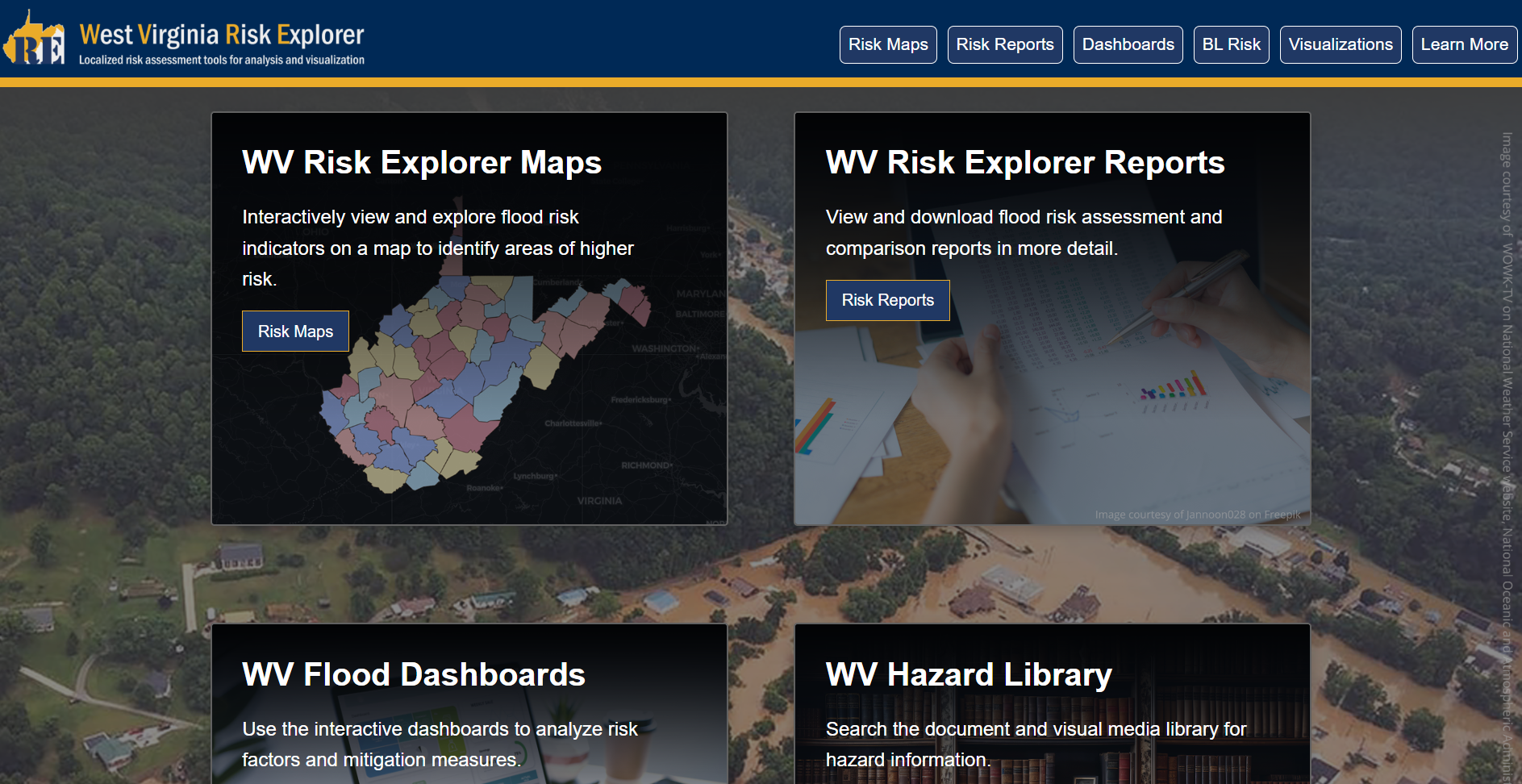
Researchers from the West Virginia GIS Technical Center have created the West Virginia Risk Explorer to help identify the flood risk for communities throughout the state. According to the data, nearly 33% of all fire stations are at risk for significant flooding and 25% of all essential facilities are at moderate to significant risk of flooding.
Hardwick, VT is actively removing repetitively damaged properties from the floodplain, in an effort to break the ‘damage-repair-damage-repair’ cycle and leave behind open space along the water’s edge, free from future development.
A new study from the University of Utah found significant disparities in the distribution of public parks throughout the U.S., leaving large numbers of Americans cut off from the mental, physical, and financial benefits of living within walking distance of green spaces.
The social platform X rolled out a feature this month showing the “country/region” where accounts are based, exposing many popular accounts claiming to be US-based actually operating from abroad. Nigeria, India, Bangladesh, and several non-EU countries in Eastern Europe top the list.
Lower-quality news posts on social media gain more attention and engagement than higher-quality news posts, according to a new study from Cornell.
Older adults share more political misinformation, partly because they hold more partisan beliefs.
Research shows that the unique qualities that make adolescents susceptible to mis- and disinformation can also help them be more resilient when encountering it especially when manipulation tactics are made visible to them.
New research from the Univ. of Indiana and Univ. of Copenhagen points to a simple method for combating misinformation on social media: Add a small “digital friction” to make it slightly more difficult to share.
A Lithuanian lawmaker has proposed a bill to criminalize the intentional spread of disinformation.
Extremely personal and sensitive conversations with ChatGPT have been finding their way into Google’s Search Console.
Hurricane Melissa was bad enough, but imagery faked with AI’s help only made things worse.
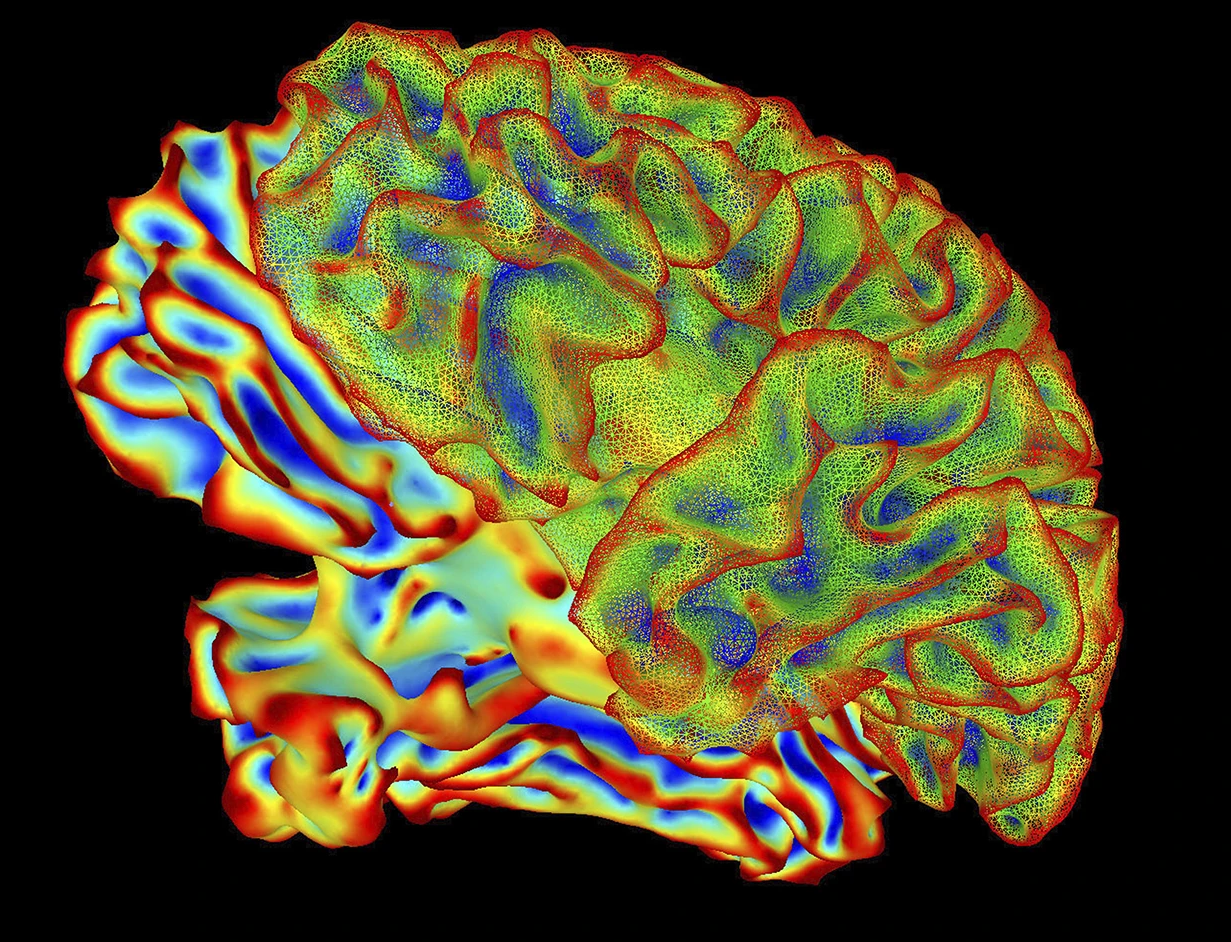
Harvard researchers are concerned that AI is dulling our minds… and
developers of AI systems do not believe that “superintelligence” will arrive anytime soon.
Mind-captioning AI can now (theoretically) decode your brain activity and turn it into text.
Also, completely unrelated, Chimpanzees change their minds when presented with new evidence.
Many of our scientific assumptions about the spread of the Black Death in Asia in the 14th century can be traced to a single poem that seems to have included more fiction than fact.
Worldwide, only 1 in 5 people are able to recognize a medical emergency and know how to appropriately respond, according to a recently published multi-country study in the journal Medicine.
Few countries have measured larger declines in religiosity than the United States since 2007. Pew provides a breakdown of religious affiliation in America: “If the U.S. had 100 people”.
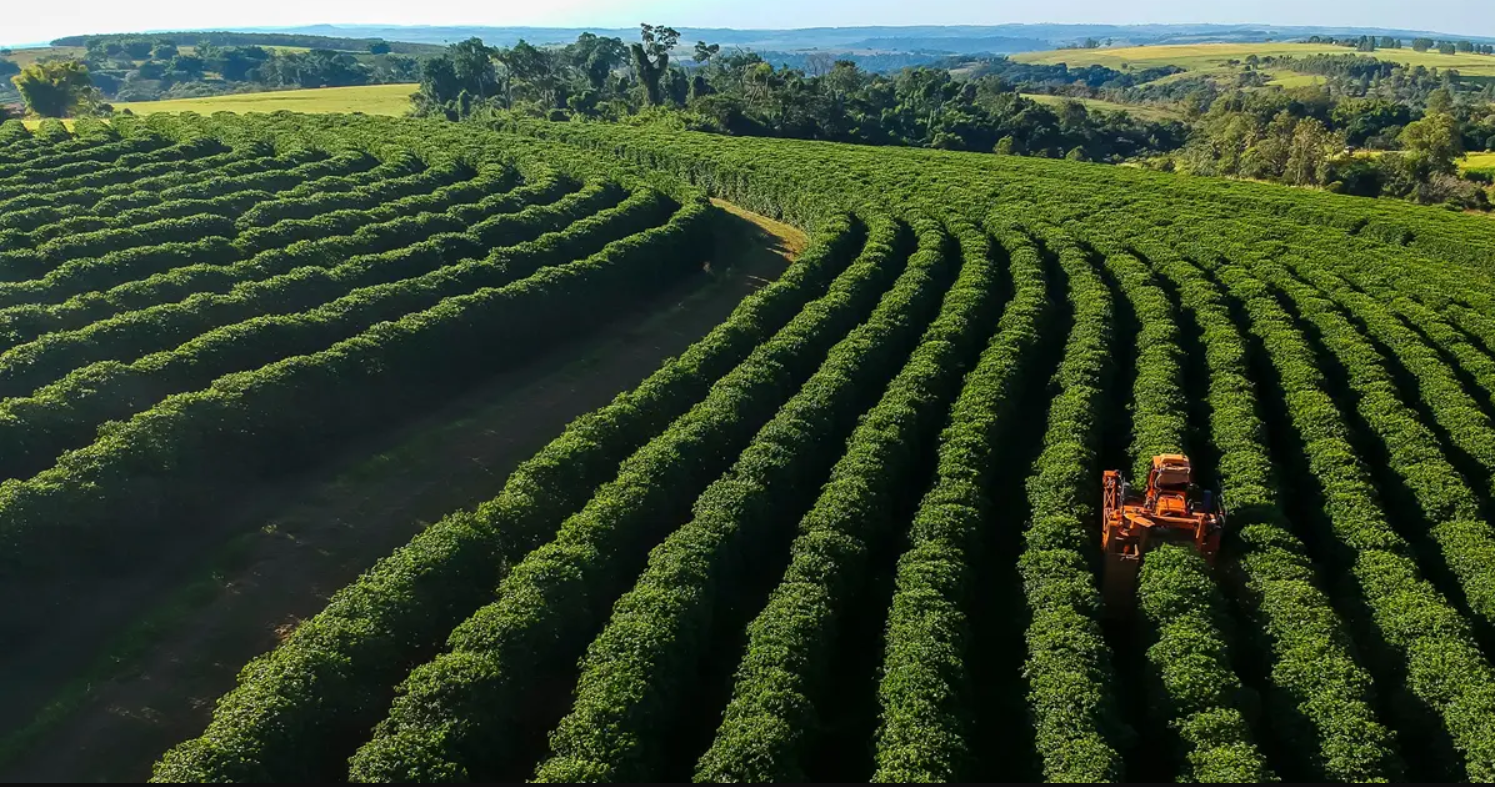
“Luxury crops” like wine grapes, coffee and cacao are particularly vulnerable to climate change.
Severe floods are threatening global rice yields.
Neuroscientists at Anglia Ruskin University in Cambridge have discovered that people who virtually inhabit their childhood bodies can recall childhood memories in greater detail, demonstrating that autobiographical memories seem closely linked with conceptions of one’s “bodily self”.
No one person has the same disability experience; this video from The Royal Society explores some of those differences and asks children what future advances in assistive technologies might mean for them.
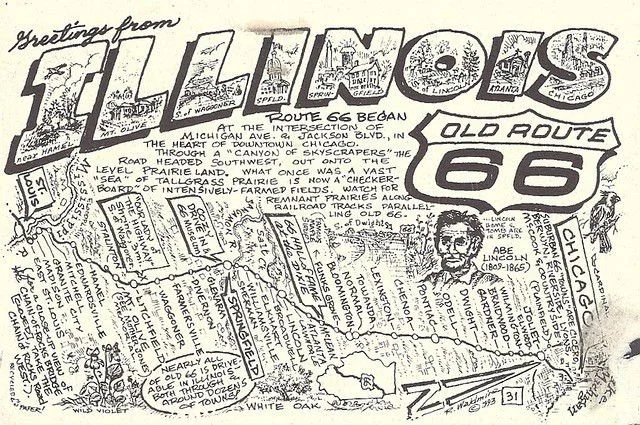
And finally, if you’re feeling nostalgic… more than 100 oral histories of Route 66 have been collected and stored in an online database hosted by the Illinois State Museum and funded through the National Park Service’s Route 66 Corridor Preservation Program. Check them all out here.
SRP Partners’ nonpartisan research enables government and commercial clients to make well-informed decisions and plan for an uncertain future. The Porch is our place to share what we find relevant, interesting, and meaningful throughout the course of our work.