Development & Disaster: Toxic Coastlines and Sea Level Rise
As weather events become increasingly more destructive and costly, understanding the relationship between development and disaster can help make smart building decisions, minimizing the risks, and subsequent costs, of future disasters. This article is the fifth in our series, Development and Disaster, where we examine the impact of land use and development on how we, as a society, experience disasters.
A recent study conducted by a team out of UC Berkeley, UCLA, and the nonprofit, Climate Central, revealed that thousands of hazardous or toxic sites located along coastal areas of the United States will be at risk for flooding from sea level rise by the year 2100. The researchers reported that if nothing is done to limit or reduce current pollution rates over the coming years, 5500 facilities that “store, emit, or handle sewage, trash, oil, gas, and other hazards” will face an increased risk of flooding by the turn of the century, with half of them at risk by 2050.
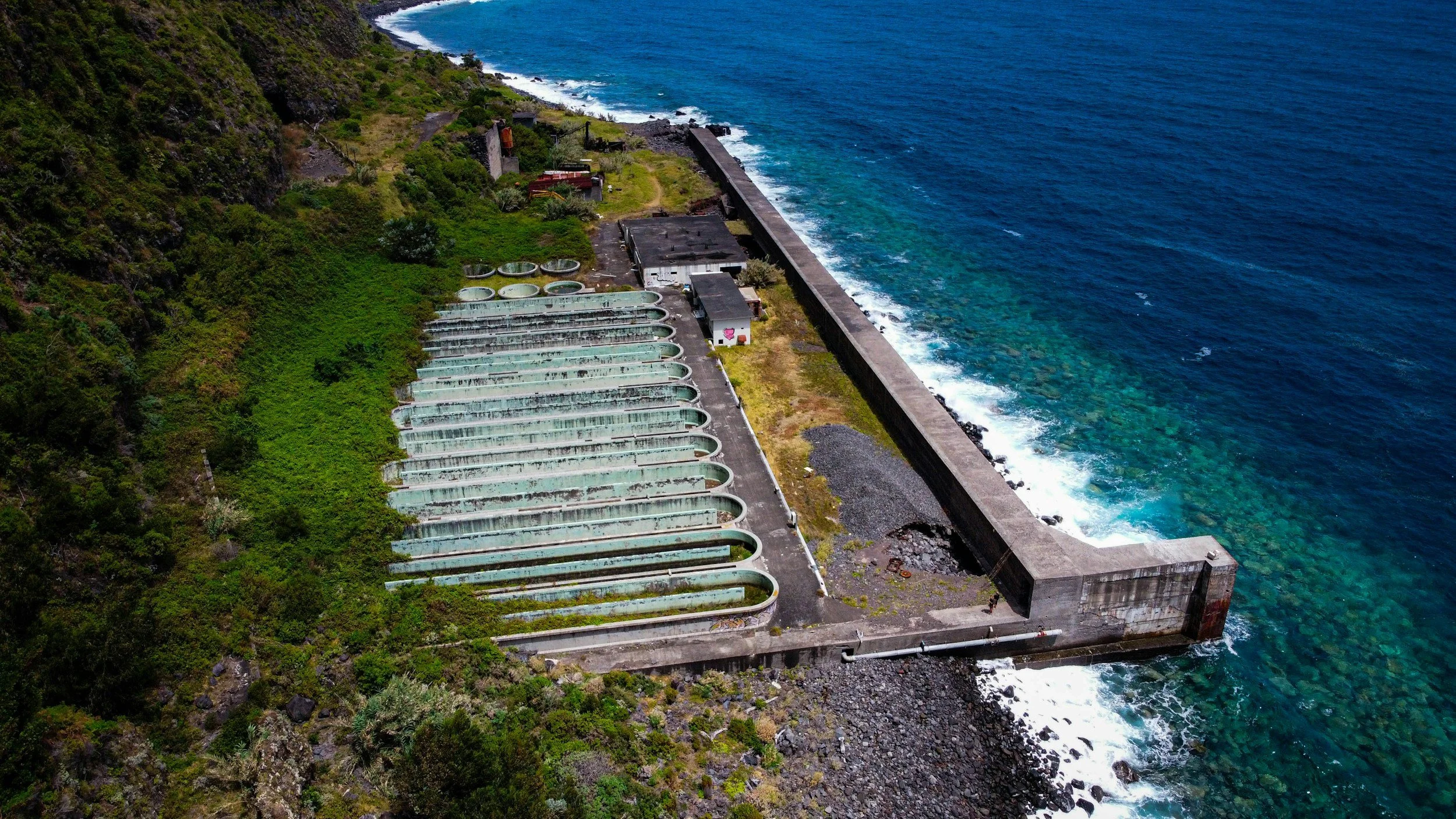
Coastal Sewage & Wastewater Treatment Facility
Coastal areas throughout history have served as hubs of maritime trade and industry. Across the world, it is common to find industrial facilities and toxic sites located along coastlines for easy access to global trade routes.
The United States is no different. With 95,471 miles of shoreline and 23 states with coastlines, there are thousands and thousands of hazardous, toxic, and industrial facilities situated near coastal areas across America. According to the researchers, rising sea levels will place many of these sites in the path of flood waters and leave the U.S. particularly vulnerable to negative impacts from sea level rise.
To better understand how the United States’ vulnerability will translate to flood risk over the coming decades, researchers identified hazardous sites located within coastal areas, and used historical data combined with sea level projections to calculate the likelihood of flooding at these sites each year. Based upon their calculations, the team identified specific sites in the United States (5500, in total) with the highest risk of flooding from sea level rise. These sites include sewage treatment facilities, oil refineries, power plants, and fossil fuel ports and terminals, as well as clean-up sites and other facilities that handle or produce industrial pollutants.
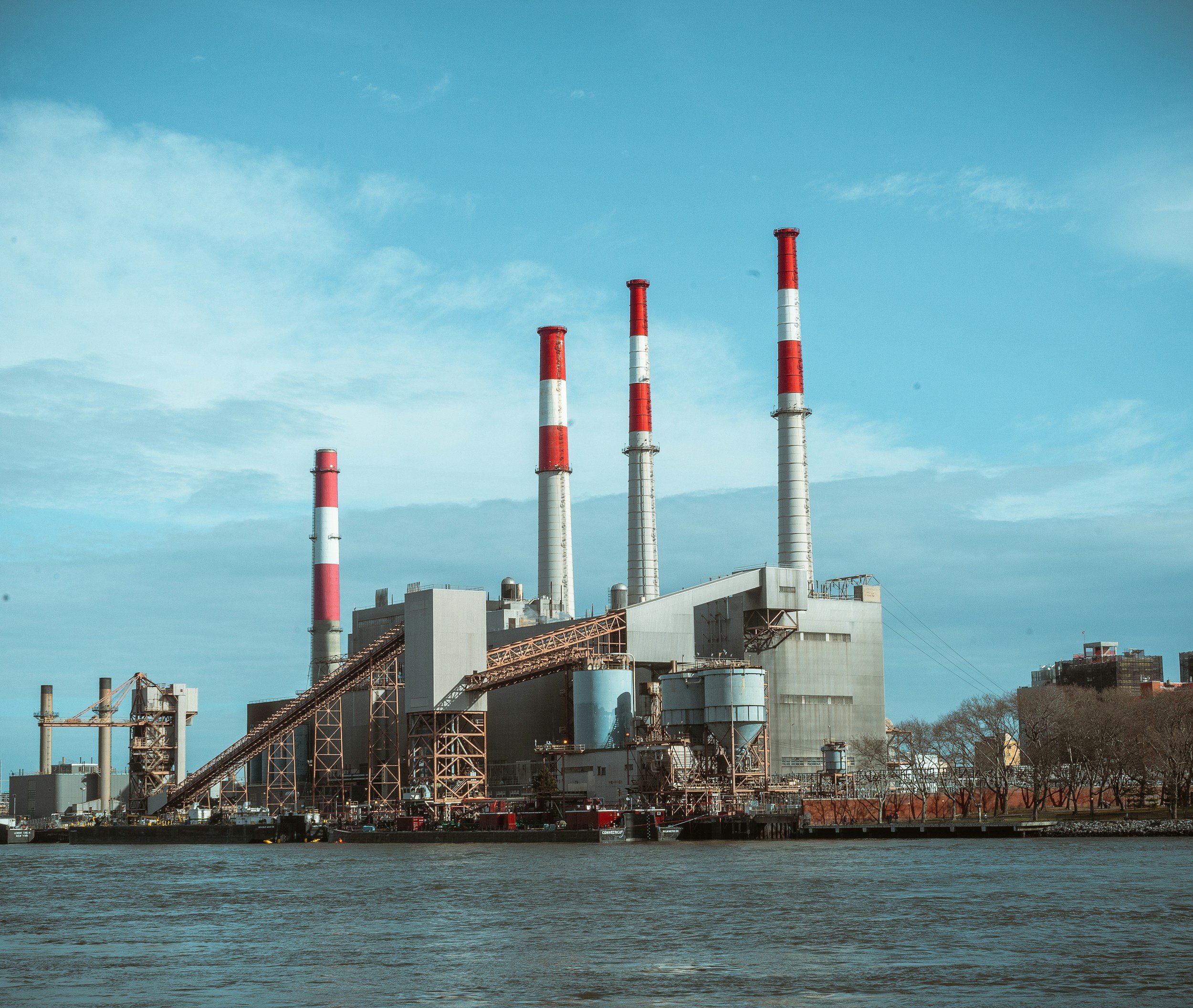
Coastal Power Plant
Beyond identifying the sites most at-risk, their study also revealed that vulnerability to sea level rise in the United States is unevenly distributed, across the states and amongst the population, and that certain states and certain populations are more likely than others to bear the greatest burden.
Twenty three (23) states in the US have coastlines on either the Atlantic or Pacific Ocean. However, throughout these 23 states, researchers identified 80% of the hazardous sites at highest risk from sea level rise are located in just 7 states – Louisiana, Florida, Massachusetts, New Jersey, Texas, California, and New York. Many of the same states are already at heightened risk of other natural disasters, like hurricanes, wildfires, terrain-based flooding, and earthquakes. Sea level rise will only compound these vulnerabilities in the future.
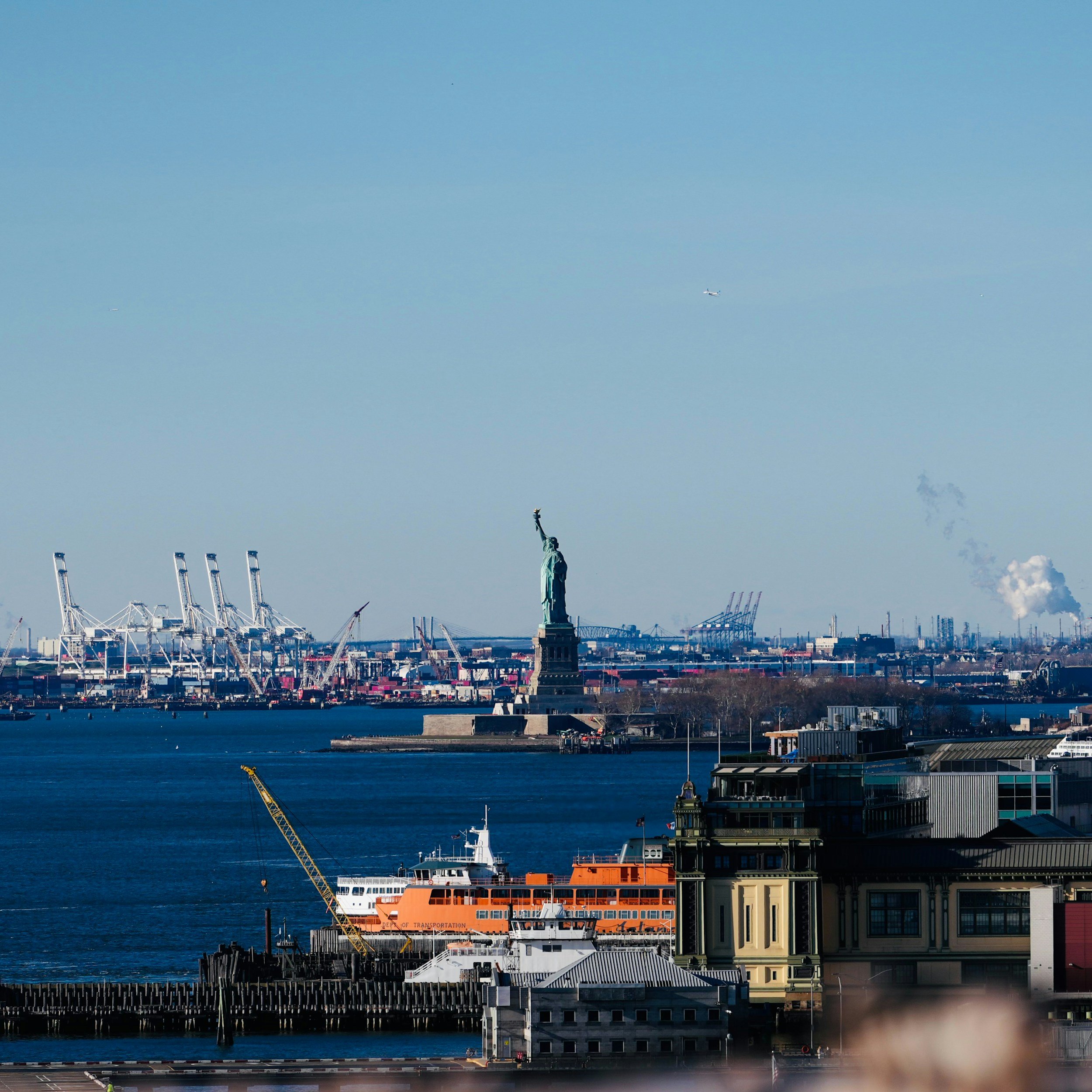
Port of New York and New Jersey
Further, researchers noted that should these sites become inundated with floodwater, the impacts will not be evenly distributed. Instead, low-income and marginalized communities, who are much more likely to be located near these hazardous sites, will be disproportionately affected, and face the highest risk of exposure to toxic floodwaters.
Living near hazardous or toxic sites is inherently unhealthy, and often contributes to negative health effects, even without the risk of flooding. Asthma and other respiratory issues are common and lots of evidence shows that communities located near hazardous facilities can suffer from cancer clusters, and other extreme negative health outcomes.
If these coastal facilities experience an extreme flooding event, then the risks of negative health effects for those living nearby increases dramatically. Flooding at sewage treatment facilities or industrial farming operations can release harmful bacteria like E Coli, potentially contaminating the groundwater, and even the food supply. Long term exposure to toxic chemicals and heavy metals can cause respiratory illness, cancer, organ damage, and reproductive problems. The risk to low-income and marginalized communities is compounded because they “often lack the resources to prepare for, retreat, or recover” from hazardous flooding events.
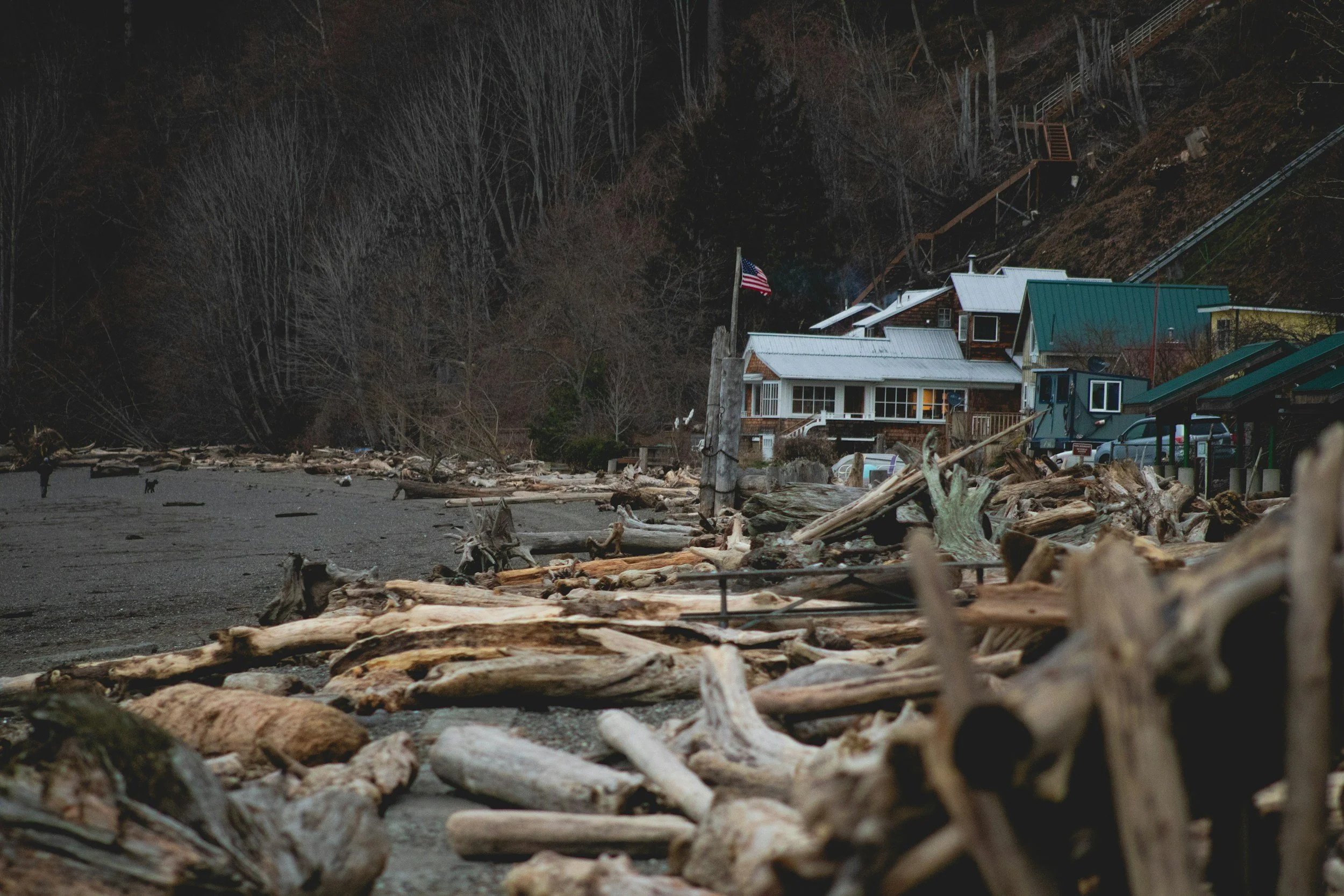
Coastal Storm Damage
The good news is that it’s not too late for us to take action.
First, we can reduce our current pollution rates. According to the researchers, limiting greenhouse gas emissions now could result in 7% fewer at-risk hazardous facilities in 2100.
Second, we can manage the known risks from sea level rise. This study itself identifies which sites are most at-risk, where those sites are located, and who will be most impacted. At-risk sites can be evaluated for fortification, relocation, elevation, or other measures to reduce the likelihood and consequences of flooding. Specific focus should be given to the 7 states contributing to the majority (80%) of the risk, and research should be conducted to identify “why” they are so heavily contributing to the risk.
In the meantime, we should ensure that communities surrounding these hazardous locations have the resources they need to prepare for, respond to, and recover from flooding.
We have the playbook; we just need to use it.