Wildfire Safety
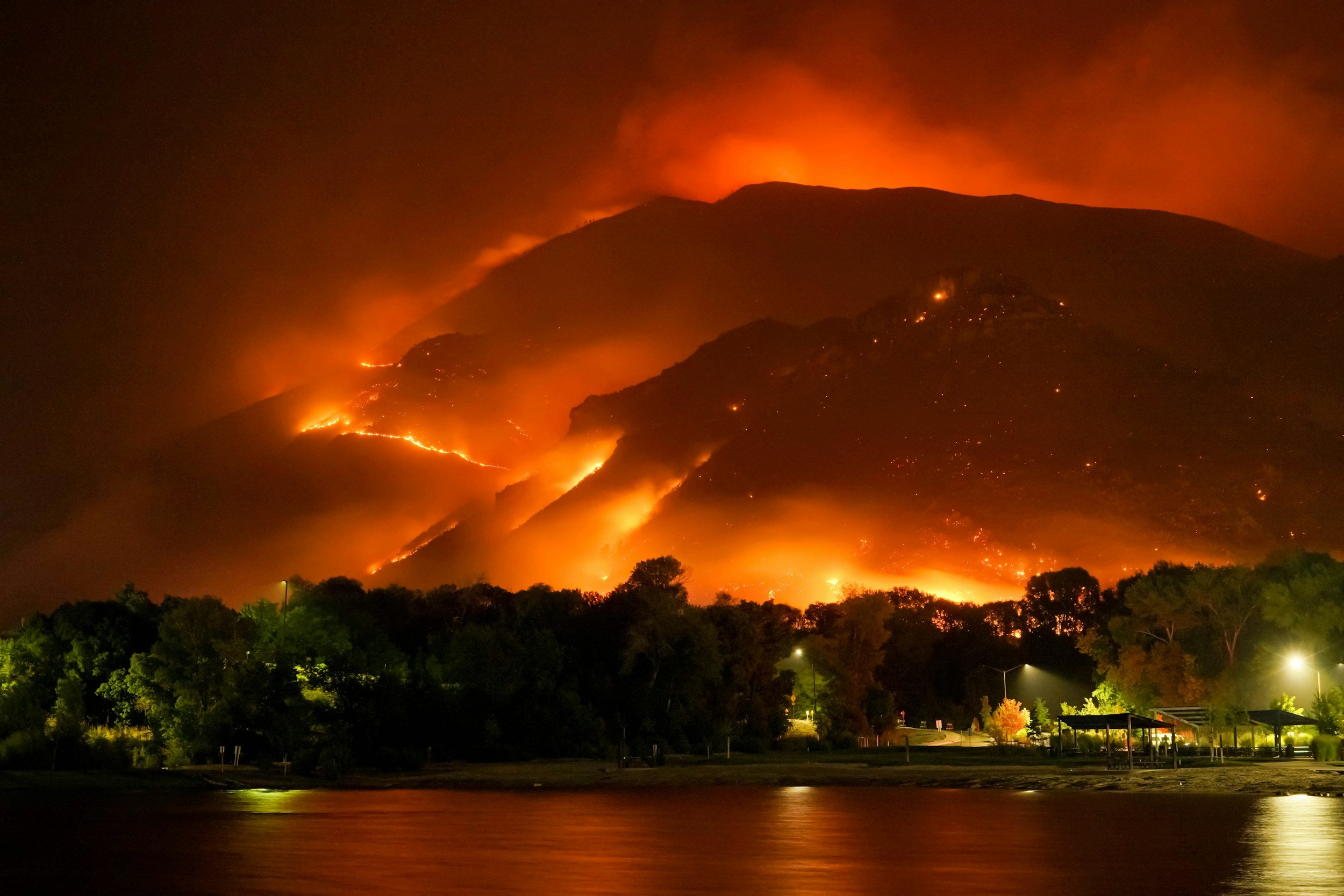
Photograph of a wildfire burning on a hill above a town recreational park with a lake in the foreground
While the number of wildfires has remained relatively constant over the past 10–15 years, the amount of land area burned has increased, which puts more citizens in danger. One reason wildfires are becoming more destructive and widespread is climate change. As temperatures rise, the air becomes drier, and the weather becomes more extreme, the risk of wildfires increases.
However, another contributing factor is urban sprawl. With more construction projects stretching into previously undeveloped areas, greater numbers of citizens now live along the wildland-urban interface (WUI). The WUI is where human development meets unoccupied land filled with forests and other vegetation, and – without proper land use planning and hazard mitigation strategies – this real estate is especially vulnerable to wildfires. Almost one-third of the US population living in more than 70,000 communities along the WUI are at risk of wildfire.
For residents of those communities, knowledge of wildfire safety is essential. While it is difficult to predict exactly where or when a fire will start and how quickly or how far it will spread, you can prepare yourself and your family by learning what to do before, during, and after a wildfire event.
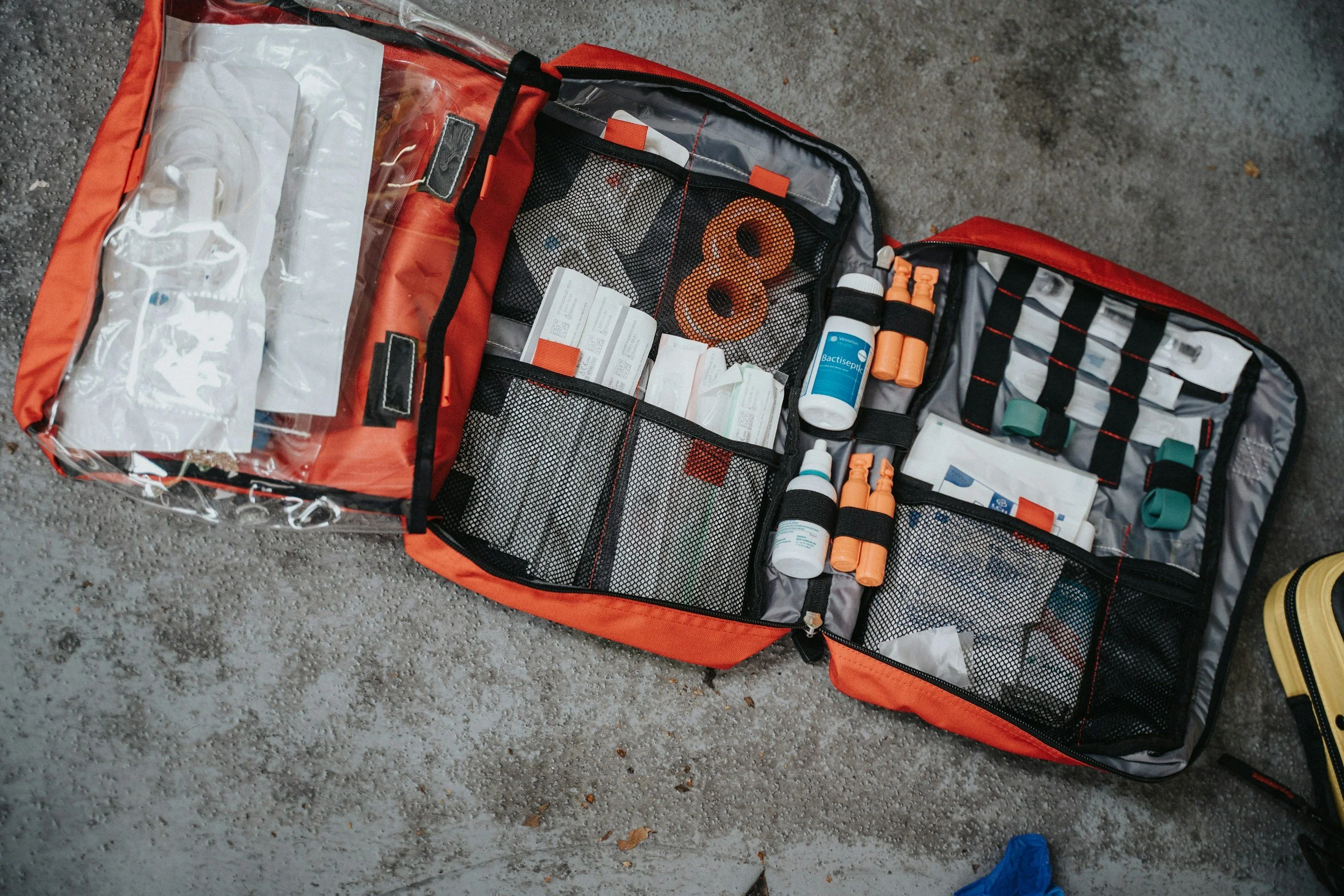
Having a well-stocked first aid kit like the one above is an essential part of preparing for a wildfire
Before a Fire
If you live in an area of the US that is prone to wildfires, it is imperative that you prepare accordingly. In an emergency, every second counts, and this is especially true for fast-moving wildfires. Make sure you have a plan in place and access to supplies so you can evacuate quickly.
Plan Ahead: Create an emergency plan for your household that includes at least two evacuation routes and a place to meet up with family and/or friends. Make sure your emergency plan also takes into account any medical conditions your family members have as well as any special considerations for pets.
Check Your Insurance Coverage: Contact your insurance provider to confirm that your house is covered for wildfires. Many of the top insurance companies have begun dropping coverage or limiting fire policies in areas prone to wildfires. If this happens to you, research alternatives like state-backed plans (for instance, the California FAIR Plan).
Minimize the Risk: Take steps to maximize your home’s chances of surviving a fire:
Remove flammable material (move firewood and propane tanks at least 100 feet away from the structure).
Keep the area around your home clear of dead vegetation and dispose of things like lawn clippings and other debris in a timely fashion.
Use fire-resistant materials whenever possible in and around your home.
Purchase non-combustible outdoor furniture and use low-combustible materials for walls and landscaping borders to act as a barrier against fire.
Make sure your yard is well maintained and install an outdoor water source with a hose that allows you to reach all areas of your property.
Gather Supplies: Preparing for a wildfire includes planning for multiple scenarios, so you need to put together a “go bag” that allows you to quickly evacuate as well as a “stay bag” or kit in case you are confined to your house for an extended period of time.
Your “go bag” should contain at least three days’ worth of supplies, including food, water, medication, clothing, and a few N95 masks. Make sure it’s light enough for you to carry with you.
A stay-at-home kit should include enough supplies for two weeks. In addition to food, water, and medicine, make sure you also have a battery-powered radio and a way to charge any electronics so that you can get updates from authorities and stay in touch with loved ones.
Keep Yourself & Your Documents Safe: Learn basic emergency skills like first aid and CPR. If a loved one is injured during evacuation or when emergency services are inaccessible, those skills may mean the difference between life and death. Take stock of important documents and consider purchasing a fireproof safe to store keepsakes and personal records.
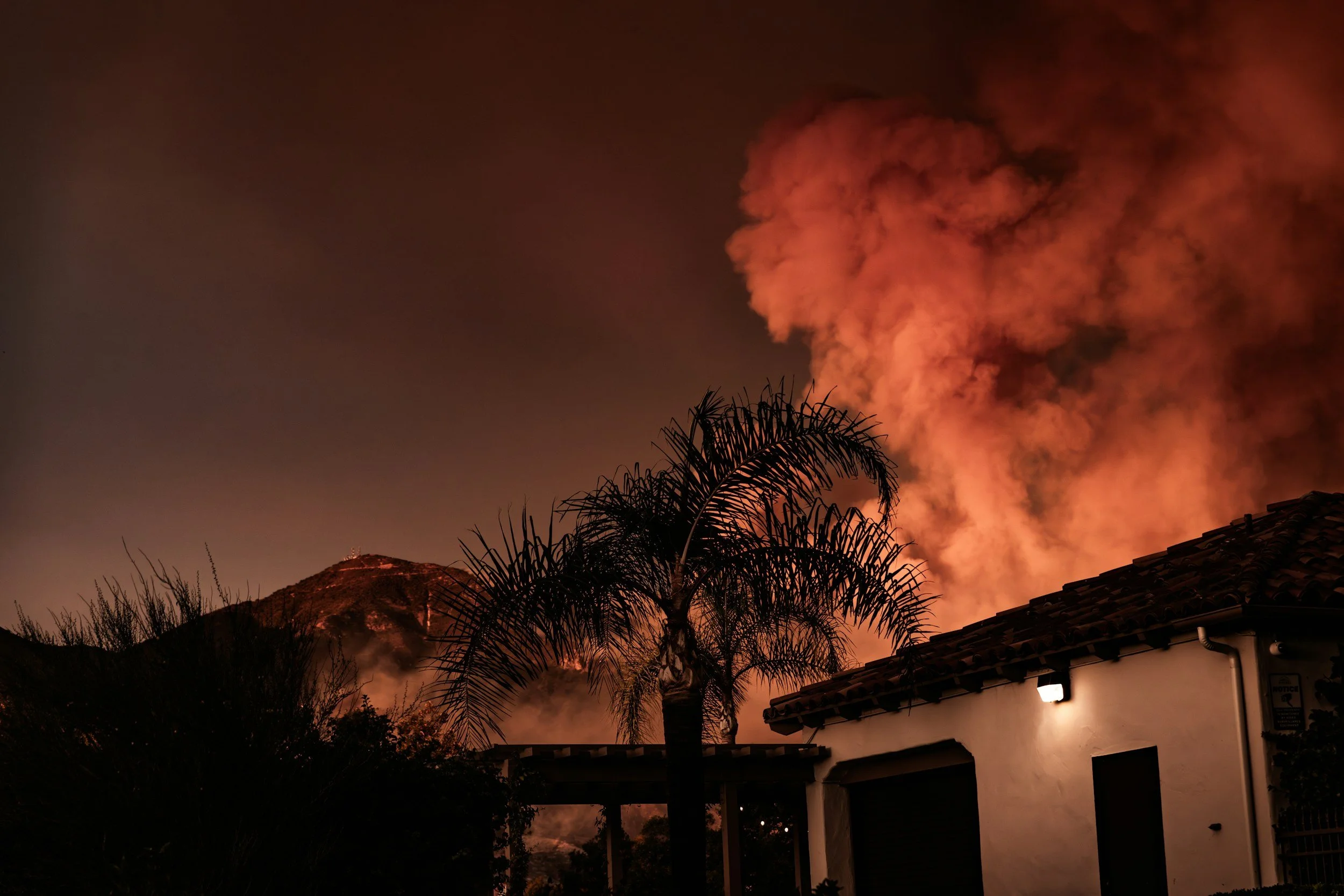
Monitor the location of a wildfire in proximity to your home and evacuate as soon as it is safe to do so
During a Fire
Some wildfires move extremely quickly, so you should plan as if you only have a few minutes to evacuate. However, in most cases you may get days or even weeks of advance notice as a wildfire rages in the nearby area. Never assume that a wildfire won’t threaten your home and prepare as much as you can ahead of time so that if an evacuation order comes, all you need to do is grab your “go bag” and leave with your loved ones.
Stay Informed: Tune into your local news provider and/or get updates from NOAA Weather Radio or other trusted sources. Try your best to maintain full awareness of the location of the wildfire and its proximity to your home. Keep in touch with loved ones and share information with them as you get it.
Stay Safe: As the wildfire gets closer to your location, take further steps to prepare to evacuate; transfer your “go bag” to your vehicle, move any combustible items outside as far from your home as possible, fill as many items as you can with water (garbage cans, tubs, etc.), connect water hoses, and close any openings (vents, windows, garage doors, etc.) to keep embers from floating inside. If you are forced to shelter in place, take further steps to protect yourself, your loved ones, and your home. If your home uses propane or natural gas, turn those systems off. You should also turn off HVAC systems that circulate air throughout your home. Close all interior doors to slow the spread of fire. Finally, soak your yard and your home’s roof using a hose or sprinkler.
Stay Ready to Evacuate: If you receive an order to evacuate, don’t delay. In fact, don’t wait for an evacuation order if you don’t have to. Once a wildfire is close to your home or neighborhood, make arrangements to stay elsewhere if you can. Once you have begun evacuating, head in the opposite direction of the fire, avoid narrow roadways that can become blocked, and keep your vehicle’s doors unlocked and the headlights on in case you get stuck. If you end up driving through smoky conditions, close your windows and turn off your vehicle’s ventilation system.
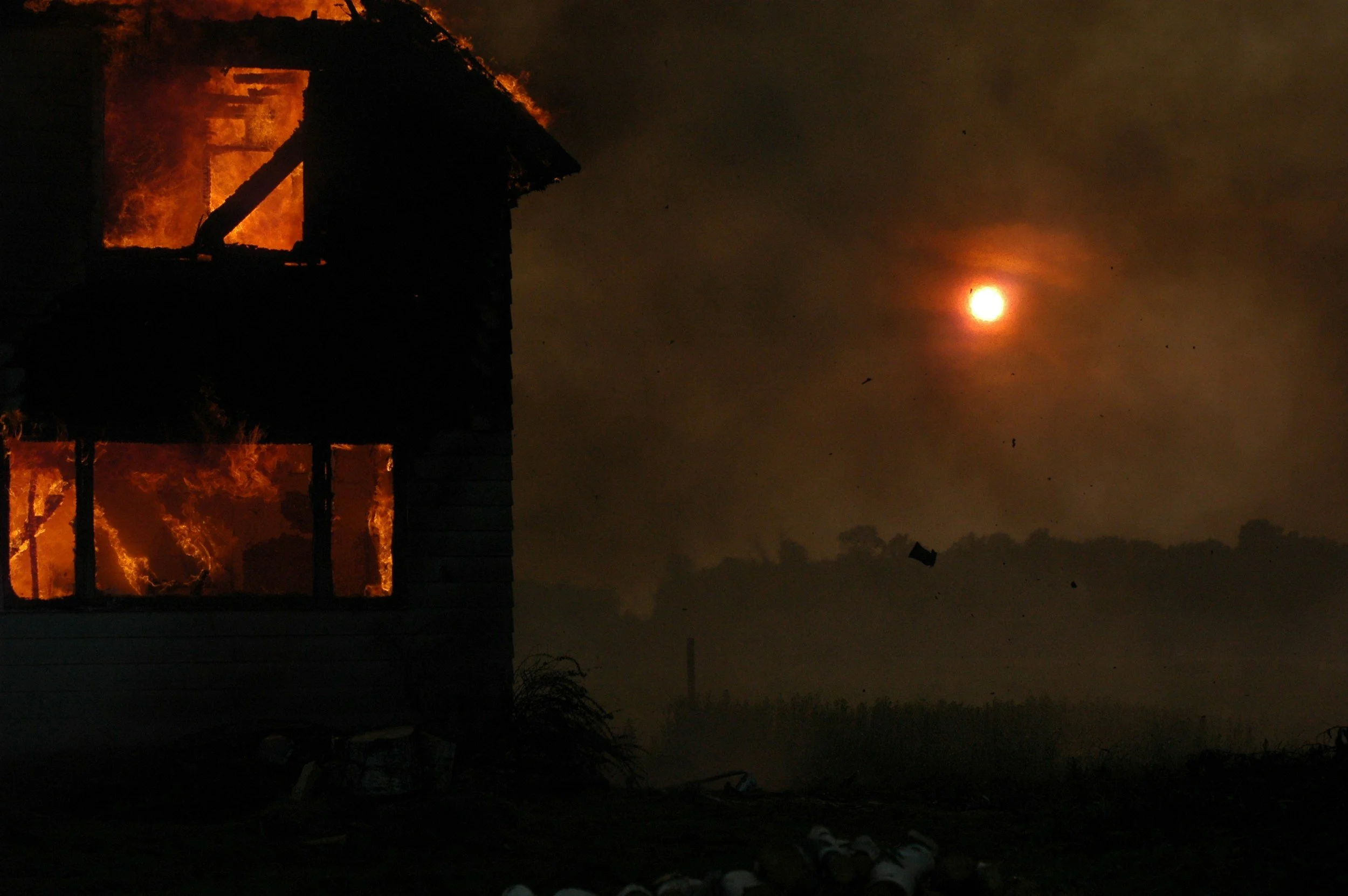
Image of a burning home with the sun shining through hazy smoke in the background
After a Fire
Once the wildfire is under control or has been extinguished, many people believe that the danger has passed. That’s simply not true. You must continue to be vigilant and avoid being overconfident. Dangers may still lurk around the corner.
Listen to Authorities: Pay close attention to announcements from local officials and wait for them to give the all clear before attempting to return home. If you attempt to return home too soon, you may encounter smoldering ash or heat pockets, potentially stirring up live embers and causing the fire to reignite or simply distracting firefighters and other first responders.
Protect Yourself and Stay Healthy: Once you are allowed to return home after a wildfire event, be sure to wear an NIOSH-certified respirator dust mask like an N95 or use some other breathing apparatus to avoid breathing in ash or fine particulate matter. There are several other steps you should take to minimize your risk:
Avoid damaged or fallen power lines and downed wires. You never know if they may be live, so it’s best to keep a clear distance.
Watch out for heat pockets and pits in the ground that may be filled with ash. You can be severely burned or suffer other injuries, so watch your step and be careful as you move around your property or community.
Ensure your drinking water is safe. Use bottled water whenever possible and check with your local health department to confirm if your tap water is safe to drink.
When in doubt, throw it out! Any food or medications that were exposed to heat, smoke, fumes, or chemicals are no longer safe to consume.
Clean Up Safely: Wear safety gear and protective equipment as you clean up debris. Avoid making direct contact with ash and wash off any ash that gets on your skin, in your eyes, or in your mouth as soon as possible.
Be Aware of Flooding and Landslide Risks: Wildfires destabilize the soil and surrounding area by clearing vegetation that absorbs water and reduces erosion. This means that in the days, weeks, and months after a wildfire, the area is at increased risk of flooding and landslides. Be mindful of flooding risks, including the different types of floods and learn the basics of flood safety. You must also stay vigilant and be prepared to evacuate again if substantial rainfall is forecast.
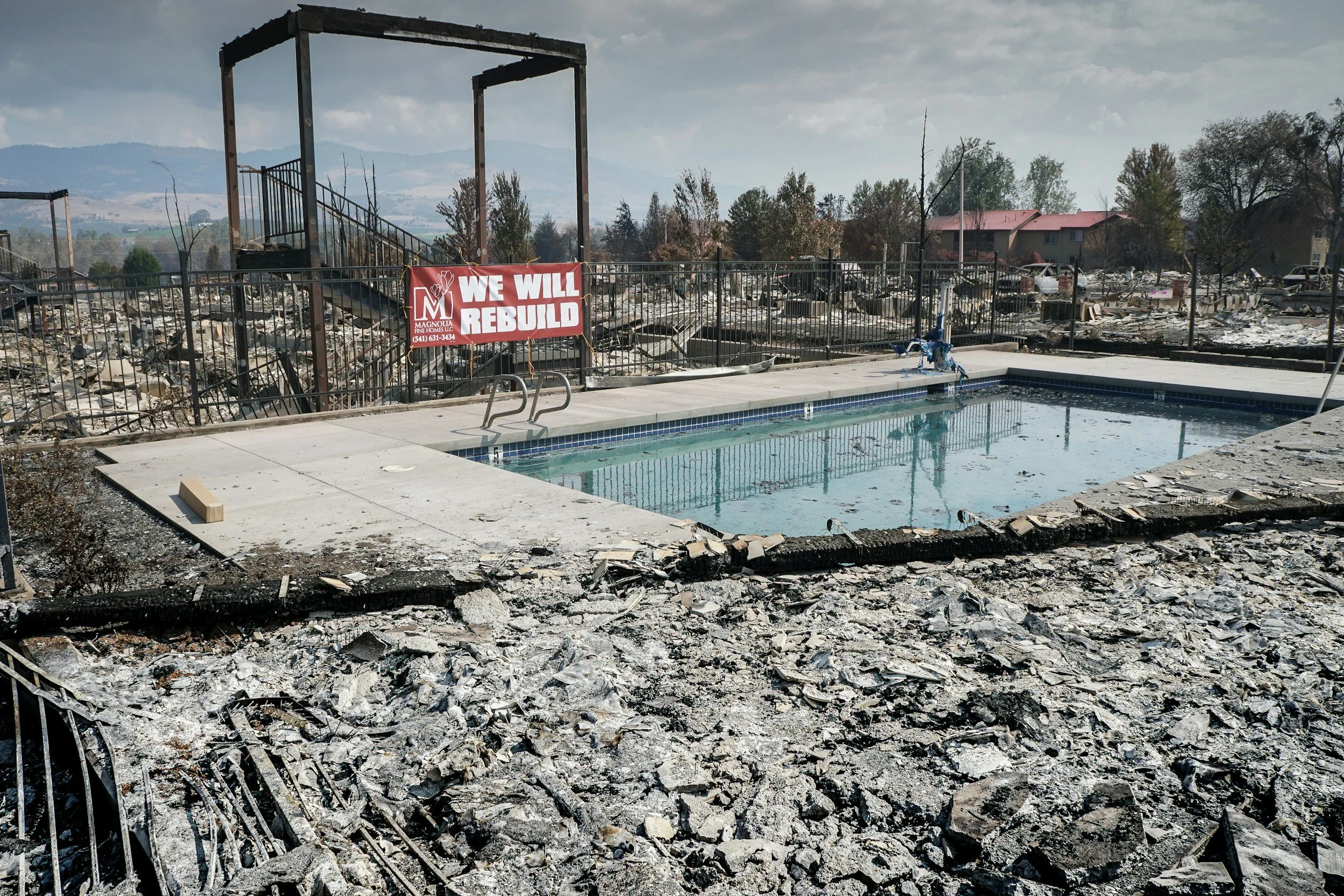
Photograph showing the aftermath of a wildfire with a community pool surrounded by rubble and sign saying “We Will Rebuild”
Wildfires are incredibly destructive and often completely unpredictable. The damage they leave behind goes well beyond physical destruction. Anyone who has experienced a housefire will tell you that the trauma of the experience can take a long time to heal, so it’s essential for survivors to include mental health as part of the recovery process. As more homes are built in vulnerable areas, more families are at risk of experiencing the trauma of wildfires. Prepare accordingly to keep your loved ones safe and minimize the potential damage that can occur.
Additional Resources: