
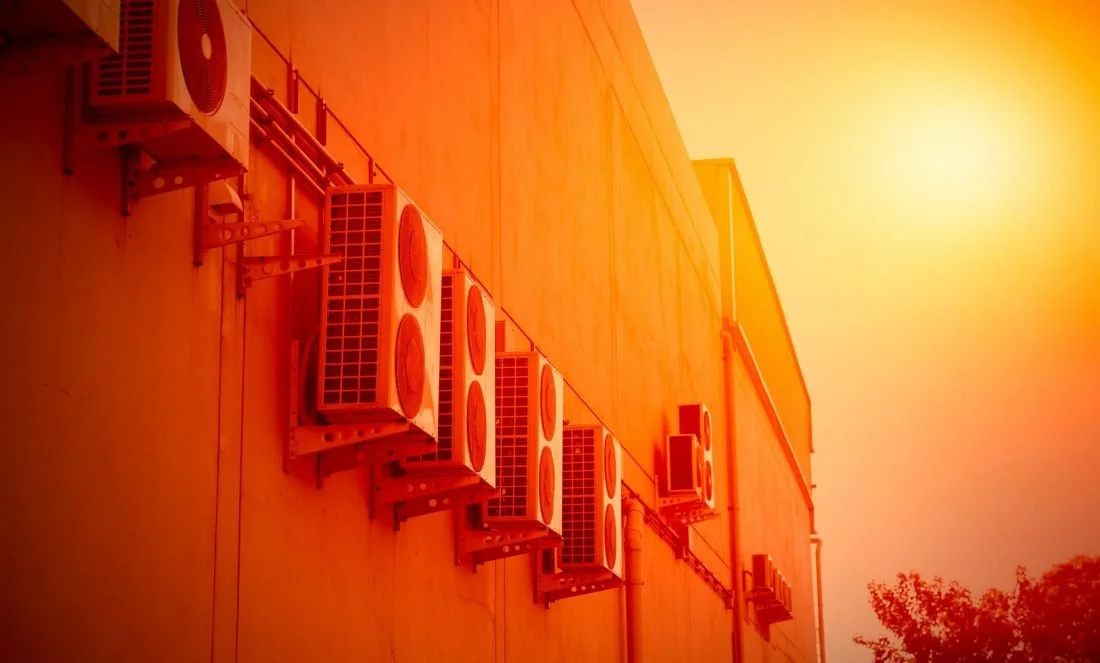
Extreme Heat - Building Differently Part 2: Lessons Across Time and Place
Rising global temperatures are leading to a significant increase in the use of air conditioning around the world. Although air conditioning is effective, it cannot be the only solution we have to deal with our warming planet. In Part 2 of our series Extreme Heat – Building Differently, we discuss the lessons learned across place and time and examine some of the passive cooling techniques upon which our ancestors relied to stay cool before air conditioning.

Extreme Heat - Building Differently Part 1: Cool & Green
Our building choices affect urban warming, but they also impact how we experience the heat. Learn how cool and green building options may be used to help lower urban temperatures and increase our ability to cope with, adapt to, and survive extreme heat events.
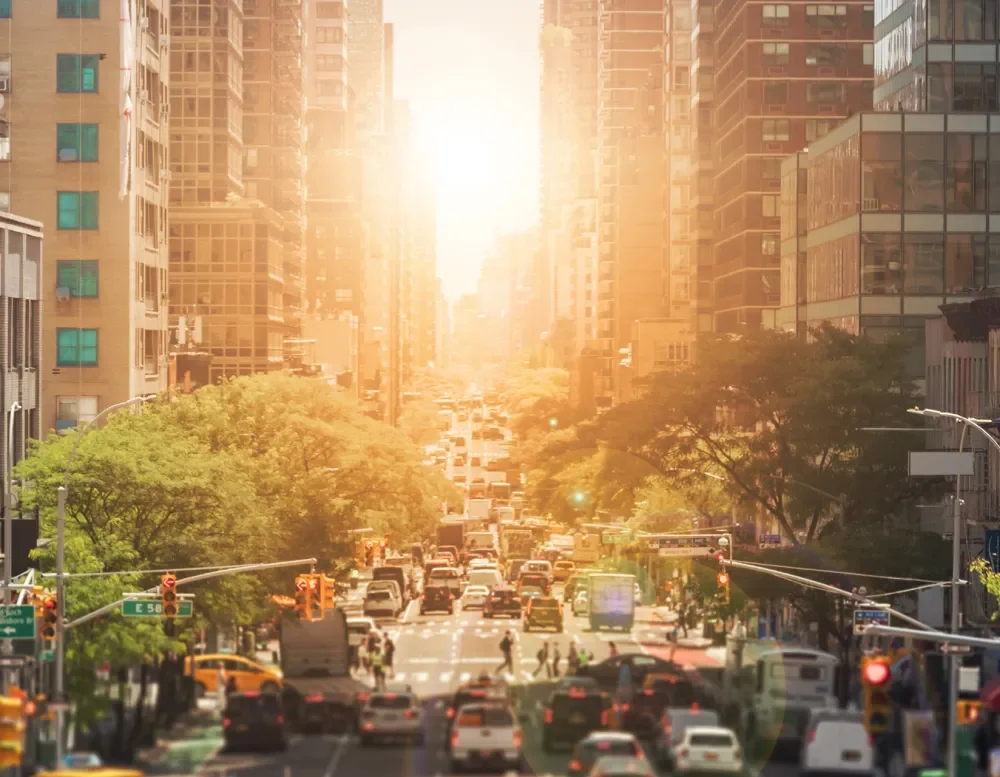
Extreme Heat & The Built Environment
Around the world, cities are significantly warmer than neighboring rural and suburban areas. The main driver for these higher temperatures is the built environment. Learn more about how our building and developmental choices impact our city temperatures and contribute to the Urban Heat Island (UHI) effect.
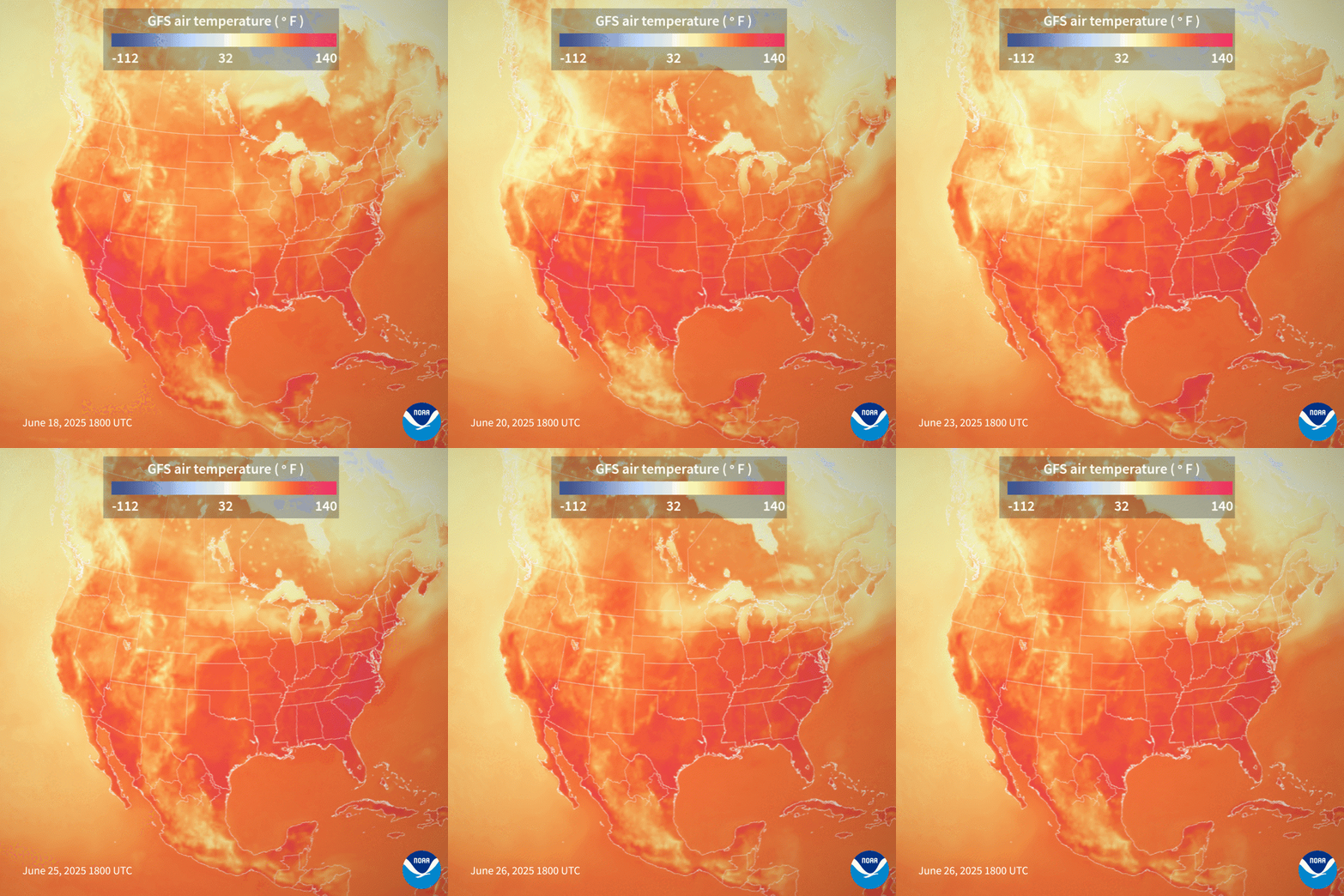
Extreme Heat & Mental Health
Hot temperatures tend to make people cranky, but heat’s impact on our mental health goes much deeper than that. In this, the 3rd article from our Extreme Heat series, we delve into the impact of extreme heat on our mental health, including how preexisting mental illness, substance use disorder, and certain medications contribute to risk, and compound the impacts. Image credit: NOAA
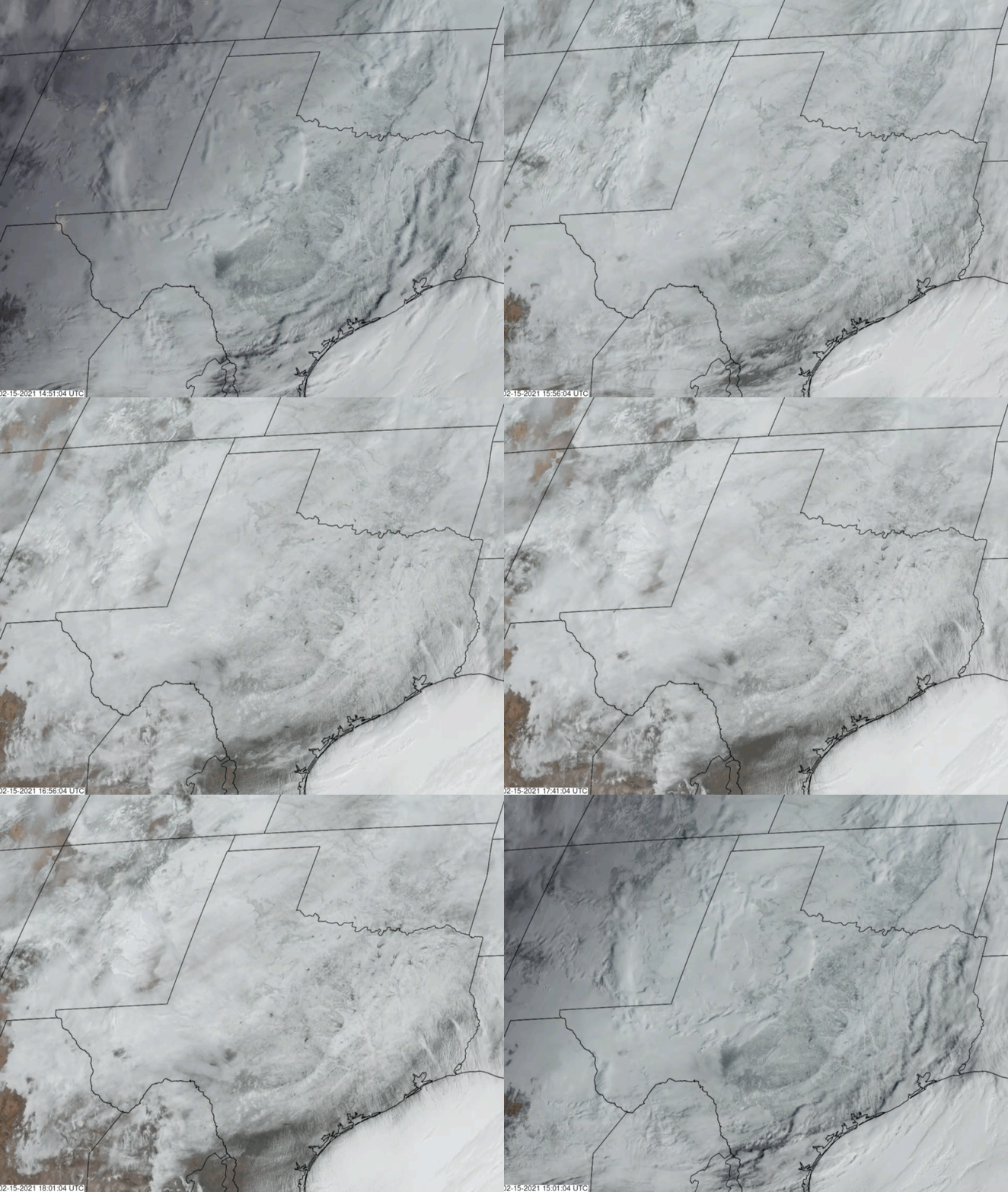
Winter Weather & Mental Health
While snow is often either a lovely wintertime distraction or a manageable nuisance, research reveals that it can also be the source of anxiety, depression, and stress, especially if the power goes out, the temperatures are below freezing, and the roads are impassable for extended periods of time.